Black beans cooked in a slow cooker offer convenience and rich flavor. However, home cooks often wonder whether soaking beans beforehand makes a difference. This comprehensive guide explores both methods, helping you choose the best approach for your kitchen.
Understanding the Soaking Debate
Traditional cooking methods always required overnight bean soaking. This practice supposedly reduced cooking time and improved digestibility. Nevertheless, modern slow cookers have changed these requirements.
The no-soak method has gained popularity among busy households. Additionally, many cooks report excellent results without pre-soaking. Therefore, understanding both techniques helps you make informed cooking decisions.
The Traditional Soaking Method Explained
Soaking black beans involves covering them with water for several hours before cooking. Most recipes recommend overnight soaking, typically eight to twelve hours. This process rehydrates the beans and begins breaking down complex sugars.
How to Properly Soak Black Beans
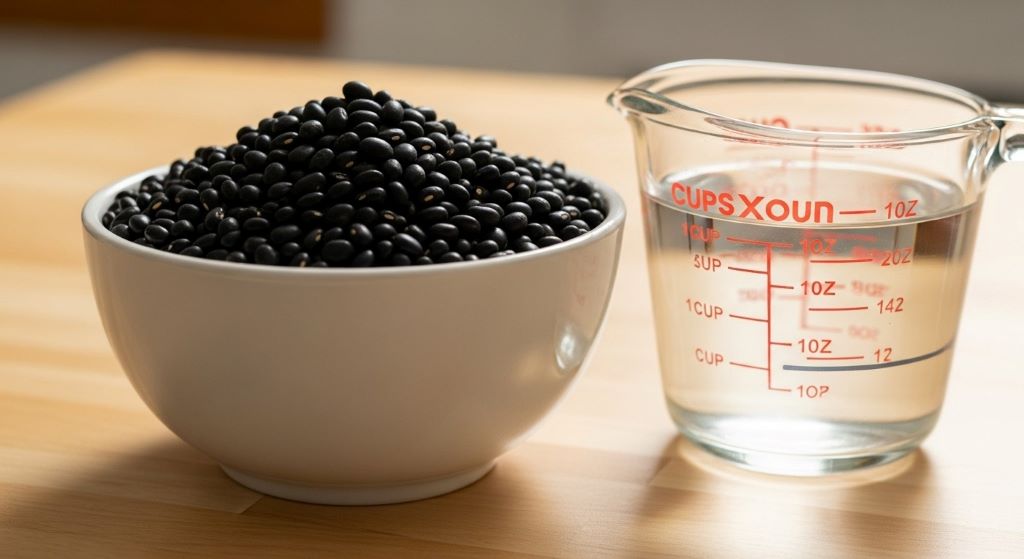
Start by sorting through dry beans and removing any debris or damaged beans. Rinse them thoroughly under cold running water. Place beans in a large bowl with three cups of water for every cup of beans.
Cover the bowl and leave it at room temperature for eight to twelve hours. Alternatively, use the quick-soak method by boiling beans for two minutes, then letting them sit for one hour. Drain and rinse the beans before adding them to your slow cooker.
Benefits of Soaking Black Beans
Soaking reduces cooking time by approximately 25 to 30 percent. Pre-soaked beans also cook more evenly throughout. Moreover, soaking removes some oligosaccharides, the complex sugars that cause digestive discomfort.
The soaking water draws out phytic acid, which can interfere with mineral absorption. Therefore, soaking may increase the nutritional availability of iron and zinc. Additionally, pre-soaked beans maintain their shape better during slow cooking.
Some cooks prefer the creamier texture that soaked beans develop. The beans absorb water gradually, creating a more uniform consistency. Furthermore, soaking allows you to add seasonings to the soaking water for enhanced flavor.
The No-Soak Method for Slow Cookers
The no-soak method involves cooking dried beans directly in the slow cooker without pre-soaking. This approach saves time and eliminates advance planning. However, it requires longer cooking times and careful liquid management.
How to Cook Unsoaked Black Beans
Rinse dried black beans thoroughly and remove any debris. Add beans directly to your slow cooker with the appropriate liquid ratio. Use three cups of liquid for every cup of dried beans.
Add aromatics like onions, garlic, and bay leaves for flavor. Avoid adding salt or acidic ingredients initially, as these can toughen bean skins. Cook on low for eight to ten hours or high for four to six hours.
Advantages of Skipping the Soak
The no-soak method offers ultimate convenience for busy schedules. You can start cooking immediately without planning ahead. Additionally, this method preserves more nutrients that leach into soaking water.
Some research suggests unsoaked beans retain higher levels of antioxidants. According to The Kitchn, the flavor of unsoaked beans can be richer and more robust. The cooking liquid also becomes more flavorful from the extended cooking time.
Unsoaked beans create a thicker, more viscous cooking liquid. This naturally thickened broth works perfectly for soups and stews. Moreover, you eliminate the extra step of draining and rinsing soaked beans.
Cooking Time Comparison
Soaked black beans typically require six to eight hours on low or three to four hours on high. Unsoaked beans need eight to ten hours on low or four to six hours on high. Therefore, soaking saves approximately two hours of cooking time.
However, the overnight soaking itself requires eight to twelve hours of passive time. When factoring total time from start to finish, the difference becomes less significant. Additionally, slow cookers work unattended, making longer cooking times manageable.
Altitude affects cooking times for both methods. Higher elevations require additional cooking time regardless of soaking. Furthermore, older beans take longer to cook than fresh dried beans.
Texture and Flavor Differences
Soaked beans generally produce a creamier, more uniform texture. The beans maintain their shape while developing soft interiors. Nevertheless, some cooks find soaked beans slightly mushier than unsoaked versions.
Unsoaked beans often retain firmer skins and more distinct shapes. This creates a heartier texture preferred in certain dishes. Additionally, the cooking liquid from unsoaked beans develops deeper, more concentrated flavor.
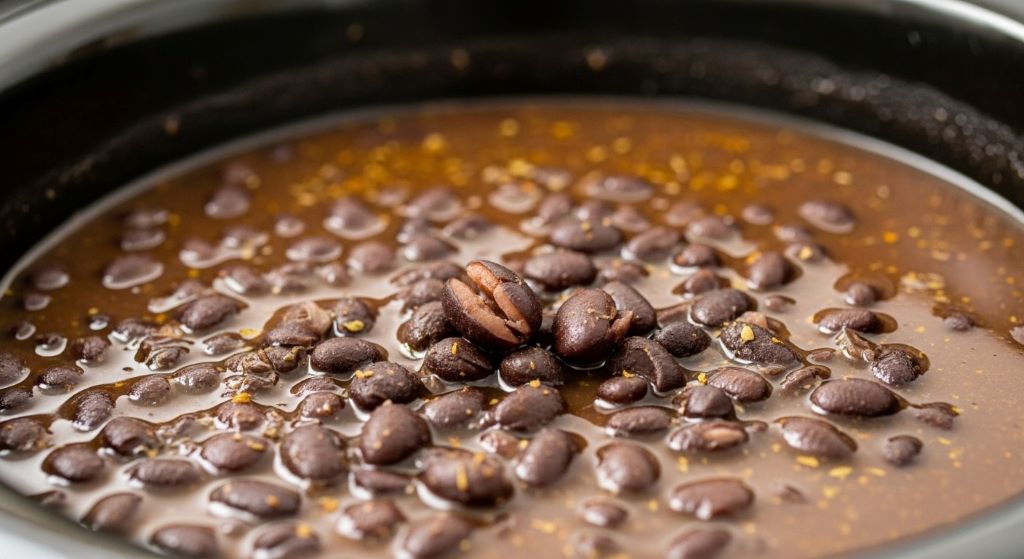
The no-soak method produces darker cooking liquid due to extended cooking time. This creates richer-tasting bean broth perfect for serving alongside the beans. Meanwhile, soaked beans yield lighter, clearer cooking liquid.
Digestibility Considerations
Digestive comfort remains a primary concern when cooking beans. Soaking reduces oligosaccharides that cause gas and bloating. Therefore, people with sensitive digestive systems may prefer soaked beans.
However, thorough cooking also breaks down these complex sugars. Long slow-cooker cooking times achieve similar results regardless of soaking. Additionally, draining soaking water removes some of these compounds.
Adding kombu seaweed during cooking helps improve digestibility for both methods. The enzymes in kombu break down gas-causing sugars naturally. Furthermore, gradually increasing bean consumption helps digestive systems adapt over time.
Nutritional Value Comparison
Both methods produce nutritious beans packed with protein, fiber, and minerals. Soaking may reduce certain nutrients that leach into soaking water. However, these losses are generally minimal and nutritionally insignificant.
According to Harvard T.H. Chan School of Public Health, beans remain nutritional powerhouses regardless of preparation method. They provide essential folate, iron, magnesium, and potassium. Additionally, black beans offer high levels of antioxidant compounds.
The no-soak method may preserve slightly higher antioxidant levels. Nevertheless, both methods deliver substantial nutritional benefits. Therefore, choosing between methods should prioritize convenience and preference over minor nutritional differences.
Cost and Convenience Factors
Both methods use identical ingredients, resulting in equal costs. Dried black beans cost significantly less than canned alternatives regardless of soaking. However, time investment differs between the two approaches.
Soaking requires advance planning and an extra bowl for overnight soaking. The no-soak method offers spontaneous cooking without preparation. Additionally, forgetting to soak beans the night before no longer ruins dinner plans.
Slow cookers excel at unattended cooking for both methods. You can prepare beans while working or sleeping. Moreover, both approaches create multiple servings for meal preparation throughout the week.
Best Practices for Both Methods
Always sort and rinse dried beans before cooking. Remove any shriveled beans, debris, or small stones. This practice ensures food safety and better final texture.
Avoid adding salt or acidic ingredients until beans soften. Salt and acid toughen bean skins, extending cooking times. Therefore, add tomatoes, vinegar, or salt during the final cooking hour.
Maintain proper liquid levels throughout cooking. Beans should remain submerged in liquid at all times. Additionally, avoid lifting the slow cooker lid frequently, as this releases heat and extends cooking time.
Test beans for doneness by tasting several from different areas. Beans should be tender throughout without chalky centers. Furthermore, allow beans to rest in cooking liquid for enhanced flavor absorption.
Common Mistakes to Avoid
Using old beans causes uneven cooking regardless of method. Dried beans lose moisture over time, requiring longer cooking. Therefore, purchase beans from stores with high turnover and use within one year.
Overfilling the slow cooker prevents proper heat circulation. Fill your slow cooker only one-half to two-thirds full. Additionally, inadequate liquid causes beans to dry out and cook unevenly.
Adding acidic ingredients too early toughens bean skins significantly. Wait until beans are nearly tender before adding tomatoes or vinegar. Moreover, hard water can extend cooking times due to mineral content.
Which Method Should You Choose
Choose soaking for the creamiest texture and slightly reduced cooking time. This method works best when digestive sensitivity is a concern. Additionally, soaking suits situations where you can plan meals in advance.
Select the no-soak method for ultimate convenience and spontaneous cooking. This approach delivers richer cooking liquid and robust flavor. Furthermore, the no-soak method works perfectly for busy schedules without advance planning.
Neither method is universally superior to the other. Personal preferences, schedule constraints, and desired outcomes should guide your choice. Moreover, experimenting with both methods helps determine your favorite approach.
Conclusion
Both soaking and no-soak methods produce delicious slow-cooked black beans. Soaking offers slightly faster cooking times and potentially easier digestion. However, the no-soak method provides unmatched convenience and richer flavor. Therefore, your choice depends on available time, digestive concerns, and texture preferences. Regardless of method, slow-cooked black beans deliver nutritious, economical meals perfect for any household.
Frequently Asked Questions
Can you cook black beans in a slow cooker without soaking them first?
Yes, you can cook black beans directly in a slow cooker without pre-soaking. Simply rinse the beans and add three cups of liquid for every cup of beans. Cook on low for eight to ten hours or high for four to six hours until tender.
Does soaking black beans reduce gas and bloating?
Soaking beans removes some oligosaccharides that cause digestive discomfort. However, thorough slow cooking also breaks down these compounds. Both methods can produce easily digestible beans, though soaking may provide slight advantages for sensitive stomachs.
How much longer do unsoaked beans take to cook in a slow cooker?
Unsoaked black beans typically require two additional hours compared to soaked beans. Soaked beans cook in six to eight hours on low, while unsoaked beans need eight to ten hours on low settings.
Should I add salt to black beans before or after cooking?
Add salt only after black beans have softened, typically during the final hour of cooking. Salt added too early can toughen bean skins and significantly extend cooking times for both soaked and unsoaked beans.
Are soaked or unsoaked black beans more nutritious?
Both methods produce highly nutritious beans with minimal nutritional differences. Unsoaked beans may retain slightly higher antioxidant levels, while soaking removes some phytic acid. Overall, both approaches deliver excellent nutritional value with protein, fiber, and essential minerals.
Related Topics:
Ginger Cheesecake: Recipe surprising and ginger cheesecake
Seven traditional recipes that can be converted into sandwich