
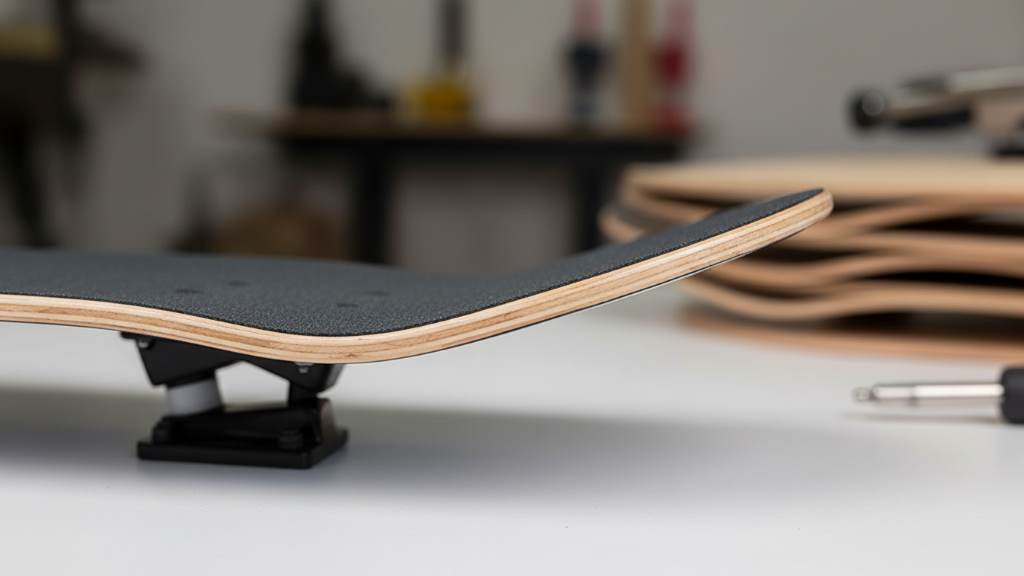
Skateboarding brings freedom and excitement to riders everywhere. Many beginners seek boards that last through falls and tricks. Maple decks stand out for their reliability, and the WhiteFang 31-inch complete skateboard showcases this well. This model features a strong skateboard deck made from 7 layers of Canadian maple. For more details, check out this WhiteFang 31 beginner skateboard review.
Moreover, industry experts note that 7-ply maple constructions dominate professional boards. In addition, studies highlight how slow-growing Canadian maple creates dense wood that resists breaking better than faster-grown alternatives.
Consequently, riders enjoy consistent performance session after session. This article explores why these decks deliver real value, especially in affordable builds like the WhiteFang.
Why Maple Remains the Gold Standard for Skateboard Decks
Skateboarders choose materials that balance strength and flexibility. Maple excels here. Manufacturers layer thin veneers of hard rock maple and press them together. This process creates a deck that snaps back with energy while absorbing impacts.
Furthermore, Canadian maple grows slowly in cold climates. As a result, it develops tight grain rings that boost density. Experts report that this wood offers superior flexural strength compared to other hardwoods.
In contrast, softer woods chip easily or lose pop quickly. However, maple holds its shape longer. Riders feel that lively rebound in every ollie.
Additionally, the 7-ply setup provides ideal stiffness for most styles. Too few layers make boards floppy, while too many feel dead. Therefore, 7 plies hit the sweet spot for street skating and park sessions.

The Strength Behind 7-Ply Canadian Maple Construction
Builders glue seven maple veneers with strong adhesives. Often, they alternate grain directions. This cross-banding prevents splitting and adds torsion resistance.
Thus, the deck flexes without cracking. Tests show that properly pressed 7-ply maple withstands heavy loads before failure.
Moreover, Canadian sources supply the hardest varieties. Slow growth in northern forests produces wood with fewer defects. Consequently, decks resist delamination even after repeated landings.
In addition, modern glues seal out moisture. This feature extends life in humid conditions. Riders notice less warping over time.
Overall, these elements create skate durability features that pros rely on. Beginners benefit too, as the board forgives mistakes.
Examining the WhiteFang 31 Build Quality
The WhiteFang 31 measures 31 inches long and about 8 inches wide. Its double-kick concave suits tricks and cruising. At the core sits a 7-layer Canadian maple deck.
This construction delivers a strong skateboard deck that handles daily use. The layers bond tightly, providing crisp pop for flips.
Furthermore, high-density grip tape covers the top. It locks feet in place during maneuvers. Meanwhile, the concave curves guide foot positioning naturally.
As a result, learners progress faster. The deck’s medium flex absorbs shocks from uneven pavement. Therefore, rides feel smooth.
Many users report that the board maintains shape after months of skating. This resilience stems from quality maple and careful pressing.
Key Skate Durability Features in Maple Decks
Maple decks incorporate several elements that enhance longevity.
- Layered Veneers: Seven plies distribute stress evenly. Impacts spread out instead of concentrating in one spot.
- Cross-Grain Design: Alternating directions stop cracks from propagating.
- Dense Wood Grain: Tight rings from Canadian maple resist compression and dents.
- Strong Adhesives: Epoxy-like glues bond layers permanently and block water.
- Concave Shape: Curved profile adds structural rigidity while improving control.
These skate durability features work together. For instance, the concave stiffens the middle section. Meanwhile, kicks reinforce noses and tails.
Additionally, maple’s natural elasticity returns energy. Riders get higher ollies without extra effort.
In comparison, cheaper materials lack this synergy. They snap sooner or lose responsiveness.
Performance Benefits for Beginners and Beyond
New skaters need forgiving setups. Maple decks provide stability that builds confidence.
First, the pop helps with basic tricks. Energy transfers efficiently from tail to wheels.
Second, flex dampens vibrations. Rough surfaces feel less jarring.
Third, weight stays light yet sturdy. Carrying the board proves easy.
Experienced riders appreciate consistency too. The deck retains snap longer than alternatives.
Moreover, maple responds predictably. Foot placement feels intuitive thanks to the concave.
As skills grow, the board adapts. It supports advanced flips and grinds without complaint.
How Maple Decks Enhance Trick Execution
Tricks demand precise control. Maple’s properties shine here.
The lively pop launches boards higher. This extra height gives time for rotations.
Additionally, stiffness in key areas aids locking into grinds. Noses and tails hold firm.
Flex returns quickly after manuals. Balance recovers fast.
Furthermore, grip tape pairs perfectly with maple. Feet stay planted during spins.
Riders often share stories of landing first tries on maple setups. The material supports progression naturally.
Maintenance Tips to Maximize Your Maple Deck’s Lifespan
Proper care keeps decks performing well.
Store boards away from extreme heat or moisture. These conditions weaken glue.
Moreover, rotate the setup occasionally. Even wear prevents weak spots.
Clean grip tape with a soft brush. Remove dirt without scrubbing hard.
Additionally, check for razor tail. Sand lightly if edges wear sharply.
Avoid soaking the deck. Water swells wood fibers.
Finally, loosen trucks for storage. This reduces stress on the wood.
Simple habits like these extend usability significantly.
Related:
An age-by-age guide to picking sports for your child
What time of day is it better to go in for sports?
Comparing Maple to Alternative Deck Materials
Other options exist, but maple leads for good reasons.
Bamboo offers sustainability and flex. However, it sometimes lacks maple’s sharp pop.
Composites add carbon for strength. Yet, they cost more and feel different.
Plastic boards suit very young kids. But they lack feedback for learning.
Maple strikes the best balance. It delivers proven performance at accessible levels.
In the WhiteFang 31, this classic material shines in a beginner-friendly package.
Real-World Stories from WhiteFang Users
Skaters praise the board’s resilience. One rider dropped stairs repeatedly without breakage.
Another learned ollies in weeks. The pop encouraged practice.
Parents note how the deck survives rough handling from kids.
These experiences highlight practical benefits. The build quality supports fun and growth.
Conclusion
Maple decks offer unmatched strength, pop, and longevity. The WhiteFang 31 exemplifies these qualities in an entry-level complete. Its 7-ply Canadian maple construction provides skate durability features that help riders thrive.
From crisp tricks to smooth cruises, this material elevates every session. Choose a maple deck like the WhiteFang for reliable performance that lasts.
Ready to experience it yourself? Grab a maple board and hit the streets today.
FAQs
What makes Canadian maple better for skateboard decks?
Canadian maple grows slowly in cold climates. This creates dense, tight-grained wood that resists breaking and delivers excellent pop.
How many layers are ideal in a maple deck?
Seven plies provide the perfect mix of flex and stiffness. Most pros and beginners prefer this setup for balanced performance.
Does the WhiteFang 31 suit advanced skaters?
It excels for beginners and intermediates. Advanced riders may want premium components, but the deck holds up well for many tricks.
Why do maple decks have great pop?
The wood’s elasticity stores and releases energy efficiently. Combined with concave shape, it launches boards higher.
Can maple decks handle rough terrain?
Yes, the layered construction absorbs impacts. However, extreme abuse shortens any deck’s life.
References
- Amazon Product Page for WhiteFang Skateboard: https://www.amazon.com/WhiteFang-Skateboards-Beginners-Complete-Skateboard/dp/B0BYDCRCW2
- Woodsen Skateboards on 7-Ply Maple: https://www.woodsenskateboard.com/7-ply-100-canadian-maple-skateboard-decks.html
- Roarockit on Canadian Maple Veneer: https://www.roarockit.com/skateboard-building/veneer/street-deck/street-deck-maple-7-layer-sets/
- Skateboard Trends Review Link (as provided): https://skateboardtrends.com/buying-guide/whitefang-31-beginner-skateboard-review/