

Fashion designers continue to push boundaries by experimenting with unusual materials. However, most of these innovations never make it to everyday clothing. The gap between runway experimentation and commercial production remains wide.
Avant garde fashion thrives on unconventional choices. Designers use materials that challenge traditional notions of what clothing should be. These experimental fabrics and substances often prove too impractical, expensive, or uncomfortable for mass production.
Why Experimental Materials Stay on the Runway
Commercial fashion follows different rules than haute couture. Retailers need materials that can be manufactured at scale. Additionally, everyday clothing must withstand regular washing and wear.
Cost presents another significant barrier. Experimental materials often require specialized production methods. Therefore, the price point becomes too high for average consumers.
Comfort and practicality matter more in commercial clothing. Shoppers want garments they can wear repeatedly. Avant garde materials frequently sacrifice comfort for visual impact.
Metal and Metallic Innovations
Designers have long experimented with metal in fashion. Chain mail and metal mesh create striking visual effects. However, these materials add considerable weight to garments.
Furthermore, metal conducts temperature poorly. Clothing made from metal becomes uncomfortably cold or hot depending on the environment. This makes it unsuitable for daily wear.
Some designers incorporate thin metal sheets or foils. These create interesting textures and reflective surfaces. Nevertheless, they tend to crinkle, tear, or lose their shape quickly.
Living and Growing Materials
Biological materials represent one of the most unusual avant garde experiments. Some designers have grown clothing from bacteria, fungi, or algae. These living materials create unique textures and patterns.
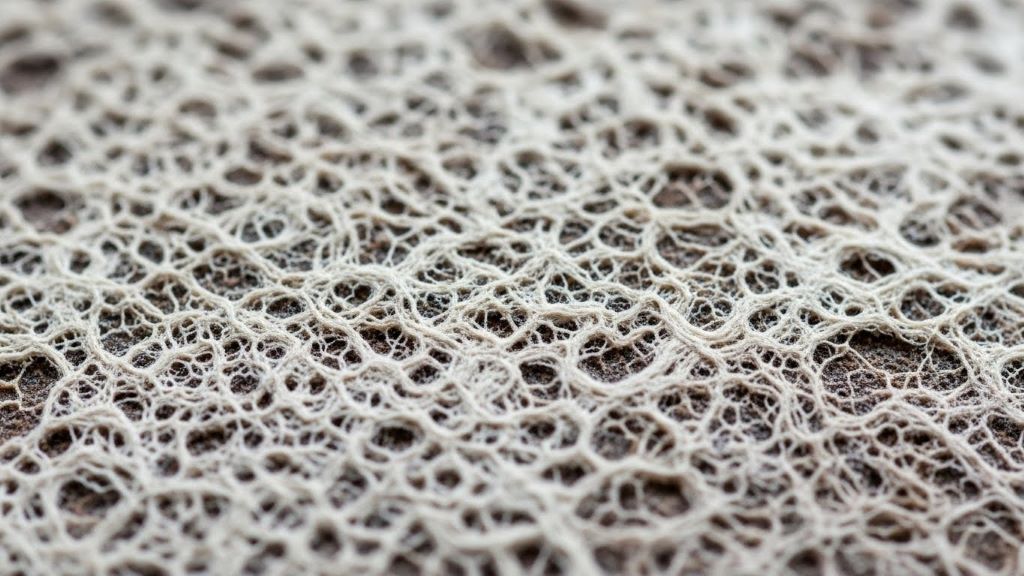
Mycelium, the root structure of mushrooms, can be cultivated into leather-like materials. This sustainable option has appeared in several fashion shows. However, it requires careful maintenance and has limited durability.
Similarly, bacterial cellulose creates fabric-like materials when grown in controlled conditions. These bioengineered textiles decompose naturally. Yet they cannot withstand the rigors of everyday use or standard cleaning methods.
Glass and Ceramic Elements
Glass and ceramics offer interesting aesthetic possibilities. Designers have created garments with glass beading, ceramic plates, and crystal structures. These materials catch light beautifully and create dramatic silhouettes.
Unfortunately, fragility makes these materials impractical for commercial use. Glass elements can shatter easily. Additionally, they pose safety concerns if broken while being worn.
The weight of ceramic and glass adds another challenge. Even small amounts significantly increase garment weight. This becomes uncomfortable during extended wear.
Paper and Cardboard Construction
Paper-based fashion appears regularly on avant garde runways. Designers manipulate paper, cardboard, and similar materials into sculptural forms. These materials allow for precise geometric shapes and architectural elements.
However, paper lacks the flexibility needed for comfortable movement. It tears easily and cannot be cleaned in conventional ways. Moreover, moisture causes immediate damage to paper garments.
Some designers treat paper to increase durability. Even treated paper remains too delicate for practical use. Therefore, these pieces function as art rather than functional clothing.
Unconventional Plastics and Polymers
Avant garde designers explore unusual plastic applications beyond standard synthetic fabrics. They use rigid plastics, inflatable structures, and polymer foams. These materials create futuristic aesthetics and unusual silhouettes.
Inflatable clothing presents particular challenges. While visually striking, it requires careful handling to prevent punctures. Additionally, temperature changes affect the inflation level.
Rigid plastics restrict movement significantly. They work well for structured pieces but poorly for flexible garments. Furthermore, these materials often crack or break under stress.
According to Vogue, experimental materials continue to push fashion boundaries, though few transition to commercial production. The fashion industry balances innovation with practicality.
Recycled and Upcycled Unusual Items
Some designers create fashion from discarded materials never intended for clothing. Old circuit boards, bottle caps, CDs, and electronic waste become garment components. These pieces make powerful statements about consumption and waste.
Nevertheless, these materials share common problems. They lack softness and flexibility. Additionally, they can have sharp edges that pose comfort and safety issues.
The weight distribution in garments made from heavy recycled items creates another problem. Uneven weight strains seams and makes wearing uncomfortable. Therefore, these pieces remain primarily artistic statements.
Silicone and Rubber Applications
Silicone and rubber create interesting textures and water-resistant properties. Designers use these materials for avant garde pieces with futuristic appearances. They mold easily into unusual shapes and forms.
However, these materials trap heat and prevent air circulation. This makes them uncomfortable in most weather conditions. Additionally, they require special care and cleaning methods.
Rubber and silicone also lack breathability. Prolonged wear leads to excessive sweating and discomfort. These factors limit their commercial viability significantly.
Smart and Technological Materials
Some avant garde fashion incorporates electronic components and smart materials. LED lights, heating elements, and responsive fabrics create interactive clothing. These technological innovations generate excitement at fashion shows.
Yet practical challenges prevent widespread adoption. Electronic components require power sources and careful handling. Additionally, they cannot withstand water exposure or standard washing.
Maintenance presents another significant hurdle. Most consumers lack the technical knowledge to repair electronic clothing. Furthermore, the cost of these materials remains prohibitively high for mass production.
The New York Times has documented how technology integration in fashion remains largely experimental, with few successful commercial applications.
Natural Materials Used Unconventionally
Designers sometimes use familiar natural materials in unexpected ways. They might create garments entirely from flowers, leaves, or other plant matter. Stone, wood, and bone also appear in avant garde collections.
These organic materials deteriorate quickly. Fresh flowers wilt within hours. Additionally, most natural materials cannot be cleaned or preserved effectively.
The weight of materials like wood and stone makes them impractical for full garments. Designers typically use them as accent pieces. Even then, comfort remains limited.
The Future of Experimental Materials
Innovation in material science continues to advance. Researchers develop new fabrics with enhanced properties. Some experimental materials may eventually become commercially viable.
Sustainability drives much current material experimentation. Designers seek alternatives to conventional fabrics with lower environmental impact. However, these alternatives must prove practical before entering mainstream fashion.
Consumer preferences also evolve over time. What seems too experimental today might become acceptable tomorrow. Therefore, some avant garde materials may gradually transition into commercial use.
Conclusion
Avant garde fashion materials push creative boundaries and challenge conventions. Metal, living organisms, glass, paper, unusual plastics, recycled items, silicone, smart technologies, and unconventional natural materials all appear on experimental runways. However, practical limitations prevent their commercial adoption.
Weight, durability, comfort, cost, and maintenance requirements keep most experimental materials in the artistic realm. Nevertheless, these innovations inspire future developments. They demonstrate possibilities and drive conversations about sustainability and creativity in fashion.
The gap between avant garde experimentation and commercial clothing may narrow as technology advances. For now, these unusual materials serve their purpose by expanding our understanding of what fashion can be.
Frequently Asked Questions
What makes a material unsuitable for commercial clothing?
Materials become unsuitable when they cannot be mass-produced affordably, cleaned easily, or worn comfortably for extended periods. Durability and safety concerns also eliminate many experimental options from commercial consideration.
Why do designers use impractical materials in fashion shows?
Fashion shows serve as artistic platforms for expression and innovation. Designers use impractical materials to make statements, showcase creativity, and explore possibilities. These pieces function as wearable art rather than everyday clothing.
Can any avant garde materials become mainstream?
Some experimental materials eventually transition to commercial use after refinement. However, this process typically takes years of development. Most avant garde materials remain in the experimental category permanently.
How much do avant garde fashion pieces cost?
Avant garde pieces using unusual materials often cost thousands to tens of thousands of dollars. The specialized production methods, limited quantities, and artistic value contribute to these high prices.
Are experimental fashion materials sustainable?
Some experimental materials focus specifically on sustainability, using biodegradable or recycled components. However, others prioritize aesthetics over environmental impact. Sustainability varies greatly depending on the specific material and designer philosophy.
Related Topics:
