

Seattle has become one of the strongest technology hubs in the United States. The city now hosts thousands of cloud computing, AI, and analytics professionals across major industries. According to recent industry reports, more than 90% of businesses now rely on data-driven decisions for growth and customer engagement. At the same time, over 65% of executives plan to increase spending on analytics training and partnerships in 2026. Because of this shift, many organizations in Seattle are sending employees to major networking and analytics events to stay competitive. Some firms also monitor global events like big data conference NYC 2026 to compare trends and build wider business connections.
Seattle’s Growing Influence in the Big Data Industry
Seattle continues to attract major technology investments every year. Companies in the region benefit from strong infrastructure, skilled workers, and access to global markets. As a result, many firms now treat data as a core business asset instead of a support function. This change has increased demand for networking opportunities and industry collaboration.
The city also supports innovation through universities, startup incubators, and research labs. Organizations often partner with local institutions to improve analytics and machine learning systems. Moreover, Seattle’s strong cloud computing ecosystem creates ideal conditions for large-scale data projects. Businesses therefore seek networking events to discover tools, strategies, and partnerships.
Another reason for this growth comes from Seattle’s highly competitive hiring market. Skilled data engineers and analysts remain difficult to recruit and retain. Companies attend conferences to meet new talent and strengthen employer branding. Consequently, networking events now play a direct role in workforce development.
Why Big Data Networking Events Matter in 2026
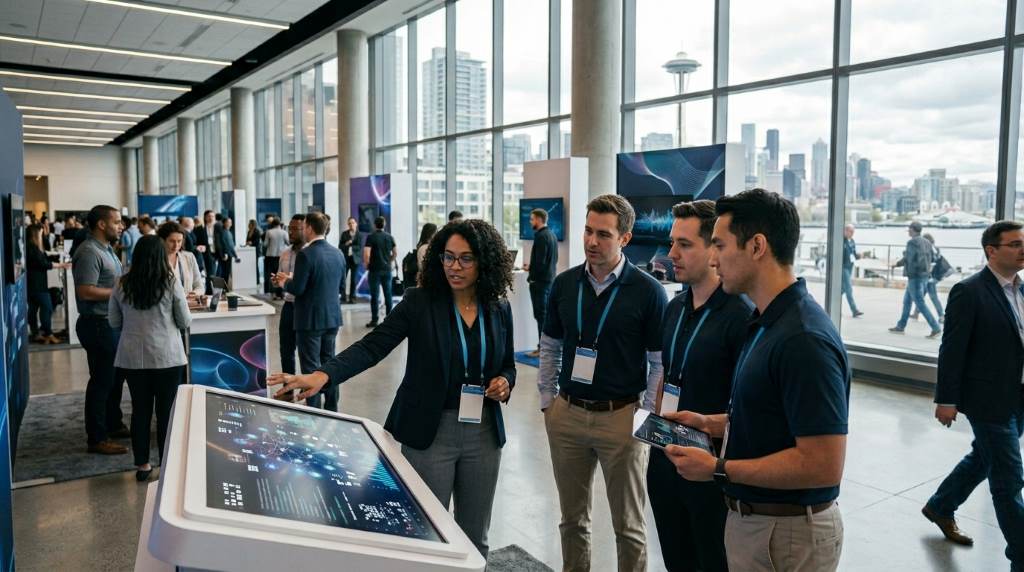
Big data networking events offer more than educational sessions and keynote speeches. These gatherings provide direct access to industry leaders, investors, technology providers, and hiring managers. Teams can learn from real-world case studies and discuss emerging trends face-to-face. Therefore, businesses gain insights that often cannot be found in online webinars alone.
Technology evolves rapidly, especially in artificial intelligence and predictive analytics. Seattle companies understand that waiting too long to adopt new methods creates competitive risks. Networking events help teams stay informed about changing technologies and regulations. In many cases, these events influence company strategy for the following year.
Many conferences also include hands-on workshops and live demonstrations. Employees can test new analytics tools before companies commit to expensive software purchases. Additionally, technical teams often return with practical solutions that improve operational efficiency. This direct value makes conference participation easier to justify financially.
Strong Demand for AI and Data Analytics Skills
Artificial intelligence now drives major business decisions across Seattle industries. Retail, healthcare, logistics, finance, and software companies all rely heavily on predictive models and customer insights. Consequently, organizations need employees who understand modern analytics systems. Networking events help teams improve both technical and strategic skills.
Machine learning tools continue to grow more complex every year. Because of this, companies invest in training programs and professional development opportunities. Industry events expose employees to modern frameworks, automation tools, and governance standards. Furthermore, speakers often share lessons from large-scale enterprise deployments.
Seattle businesses also value cross-functional learning. Data teams frequently collaborate with marketing, cybersecurity, operations, and product management departments. Conferences encourage communication between these groups through workshops and panel discussions. As a result, companies create stronger internal alignment after employees return.
The Role of Cloud Computing in Seattle’s Data Economy
Seattle remains deeply connected to cloud infrastructure and enterprise technology. Major cloud providers and SaaS companies continue expanding operations throughout the region. Since big data systems rely heavily on cloud computing, local organizations prioritize cloud-focused networking events. These conferences help teams understand scalability, security, and cost optimization.
Cloud adoption has also increased because remote work remains common in 2026. Businesses need secure data access across multiple locations and devices. Networking events often feature sessions about hybrid infrastructure, disaster recovery, and distributed analytics systems. Therefore, attendees gain practical strategies that support modern business operations.
Seattle’s rainy climate also influences infrastructure planning in subtle ways. Companies often focus on resilient systems that can support remote teams during severe weather disruptions. Reliable cloud services reduce downtime and improve collaboration during long winter months. Consequently, discussions around resilience and uptime receive strong attention at regional events.
Networking Events Help Companies Build Strategic Partnerships
Partnership development represents one of the biggest reasons companies attend these events. Many Seattle organizations seek collaborations with software vendors, AI startups, and cybersecurity providers. Networking sessions create opportunities for quick introductions and long-term business relationships. Therefore, conferences often generate partnerships that continue for years.
Startups especially benefit from these interactions. Smaller firms can connect with investors and enterprise buyers in a single event. In addition, startup founders gain exposure to decision-makers who influence procurement and technology adoption. This access helps accelerate growth and market visibility.
Larger enterprises also use networking events to identify acquisition targets and innovation partners. They monitor emerging technologies that may improve automation, analytics, or customer experience. Moreover, informal conversations often reveal opportunities before competitors notice them. This early advantage can create significant market benefits.
How Seattle Startups Use Big Data Events for Expansion
Seattle startups operate in a highly competitive environment. Founders must attract investors, customers, and technical talent while controlling costs. Because of this challenge, networking events provide efficient access to multiple business opportunities at once. Many startups now include conferences within annual growth strategies.
Events also allow startups to showcase products directly to enterprise clients. Live product demonstrations often generate faster feedback than online marketing campaigns. Furthermore, networking sessions create trust through personal interaction and technical discussion. This human connection remains valuable even in a digital-first business world.
Many startups also attend to understand customer pain points more clearly. Business leaders can listen to industry conversations and identify unmet needs. As a result, companies refine product development based on real market demand. This insight reduces wasted investment and improves long-term scalability.
Key Benefits Companies Gain from Networking Conferences
Seattle businesses continue increasing conference budgets because measurable benefits often follow participation. Teams usually return with stronger technical knowledge, new vendor contacts, and market insights. Moreover, leadership teams gain broader visibility into industry direction and customer expectations. These advantages support both innovation and operational growth.
Some of the most common benefits include:
- Better understanding of AI and analytics trends
- Access to experienced industry mentors
- Opportunities to recruit skilled professionals
- Exposure to new software and automation tools
- Stronger vendor and investor relationships
- Improved cybersecurity awareness
- Practical strategies for cloud infrastructure management
Companies also value the motivational effect these events create internally. Employees often feel more engaged after attending high-level industry gatherings. Consequently, organizations improve retention while encouraging continuous learning and professional growth.
Cybersecurity and Data Governance Discussions Are Expanding
Data security has become a major topic at nearly every analytics conference in 2026. Businesses face growing risks related to ransomware, compliance failures, and customer privacy concerns. Seattle companies therefore prioritize events that include governance and cybersecurity discussions. These sessions help organizations reduce risk while maintaining innovation.
Regulations continue changing across industries and geographic regions. Teams must understand compliance requirements related to data collection, storage, and processing. Networking events often feature legal experts and compliance officers who explain upcoming policy changes. This information helps businesses avoid costly penalties.
Cybersecurity collaboration also strengthens regional business communities. Companies share lessons about threat detection, incident response, and infrastructure protection. Additionally, many organizations discover specialized vendors through conference networking sessions. These partnerships improve long-term resilience against cyber threats.
Hybrid Work and Collaboration Trends Drive Event Attendance
Hybrid work models remain common across Seattle technology companies. Many employees now split time between office locations and remote environments. Because of this structure, businesses seek better ways to maintain collaboration and innovation. Networking conferences provide valuable face-to-face interaction that remote meetings cannot fully replace.
In-person conversations often lead to stronger professional relationships and faster decision-making. Teams can brainstorm ideas, solve technical problems, and discuss future strategies more effectively during live events. Furthermore, employees benefit from direct exposure to industry culture and leadership perspectives.
Seattle’s seasonal weather patterns also increase appreciation for structured professional gatherings. Long rainy seasons sometimes reduce informal networking opportunities across the city. Conferences therefore create dedicated spaces for meaningful interaction and knowledge exchange. This environment supports stronger business communities and professional development.
Industries in Seattle That Benefit Most From Big Data Events
Several industries in Seattle now depend heavily on analytics and automation technologies. These sectors frequently send teams to networking conferences to maintain competitive advantages. Each industry uses data differently, yet all benefit from stronger collaboration and technical insight.
The industries with the strongest participation include:
Technology and Software
Software firms attend events to explore AI tools, cloud services, and advanced automation systems. These companies also recruit developers and analysts through conference networking activities. In addition, product teams gather customer feedback and market intelligence during discussions.
Healthcare and Biotechnology
Healthcare organizations use analytics to improve patient outcomes and operational efficiency. Conferences help teams understand data privacy regulations and AI-assisted diagnostics. Moreover, biotech firms explore research partnerships and funding opportunities through industry networking.
Retail and E-Commerce
Retail companies rely on predictive analytics for inventory management and customer engagement. Events introduce teams to personalization tools and consumer behavior trends. Consequently, businesses improve both marketing strategies and customer experiences.
Logistics and Transportation
Seattle’s logistics sector uses big data for route optimization and supply chain visibility. Networking events provide insight into automation, IoT integration, and operational resilience. Therefore, transportation firms continue investing heavily in analytics education.
How Companies Prepare Teams for Networking Events
Successful companies treat conferences as strategic investments instead of casual outings. Many organizations now prepare employees weeks before attending events. This planning helps teams maximize learning opportunities and business value. Structured preparation also improves post-event implementation.
Businesses often define specific goals before conferences begin. Employees may focus on recruiting, vendor research, partnership development, or technical learning. Additionally, leadership teams usually assign networking targets and reporting expectations. This approach ensures stronger accountability and measurable outcomes.
After events conclude, many companies schedule internal knowledge-sharing sessions. Attendees present insights, trends, and recommendations to coworkers and executives. As a result, organizations spread valuable information throughout the company instead of limiting benefits to a small group.
What Businesses Should Look for in a Big Data Event
Not every conference delivers equal value for attendees. Seattle companies therefore evaluate events carefully before committing travel and training budgets. Strong events usually combine technical education with networking opportunities and industry relevance. Businesses should focus on quality rather than event size alone.
Important factors to evaluate include:
- Speaker expertise and industry reputation
- Workshop quality and practical learning value
- Networking access to decision-makers
- Vendor diversity and technology relevance
- Security and compliance discussion coverage
- Startup and investor participation
- Post-event learning resources
Companies should also review attendee demographics before registering teams. Events that attract relevant industries and senior professionals often provide stronger long-term value. Careful selection therefore improves both learning outcomes and return on investment.
The Future of Big Data Networking in Seattle
Seattle’s role in the analytics industry will likely continue expanding throughout the decade. AI adoption, cloud infrastructure growth, and automation investments show no signs of slowing down. Consequently, networking events will become even more important for business strategy and innovation. Companies that avoid these opportunities may struggle to remain competitive.
Future conferences will probably include more immersive technology experiences and live AI demonstrations. Businesses may also use advanced analytics to personalize event experiences for attendees. Furthermore, sustainability and ethical AI discussions will likely receive greater attention in coming years.
Regional collaboration will also continue strengthening. Seattle companies increasingly recognize the value of shared learning and strategic partnerships. As industries evolve, networking events will remain critical spaces for education, innovation, and relationship building.
Conclusion
Seattle companies are sending teams to big data networking events in 2026 because the business value is clear and measurable. These conferences help organizations improve technical skills, build partnerships, strengthen cybersecurity, and stay informed about emerging trends. Moreover, businesses gain direct access to experts, investors, and future talent in highly competitive industries. Companies that invest in networking and professional development position themselves for stronger long-term growth. If your organization wants to stay ahead in analytics, AI, and cloud innovation, now is the time to prioritize industry event participation.
FAQs
Why are Seattle companies investing more in big data events in 2026?
Businesses want better analytics skills, stronger partnerships, and faster access to new technologies.
Do networking events help with hiring data professionals?
Yes, many companies recruit skilled engineers, analysts, and AI specialists at these events.
Are big data conferences useful for startups?
Yes, startups gain exposure to investors, enterprise buyers, and strategic partners.
What industries benefit most from these events in Seattle?
Technology, healthcare, logistics, retail, and cloud computing companies benefit heavily.
How do companies measure conference success?
Organizations usually track partnerships, leads, employee learning, and technology adoption outcomes.
Related Reads
Read more: Common iPhone Message Deletion Problems Reported in Miami, FL
Check: Six industries that can benefit from sheet metal bending
Read more: 5 Reasons to Read Novels