
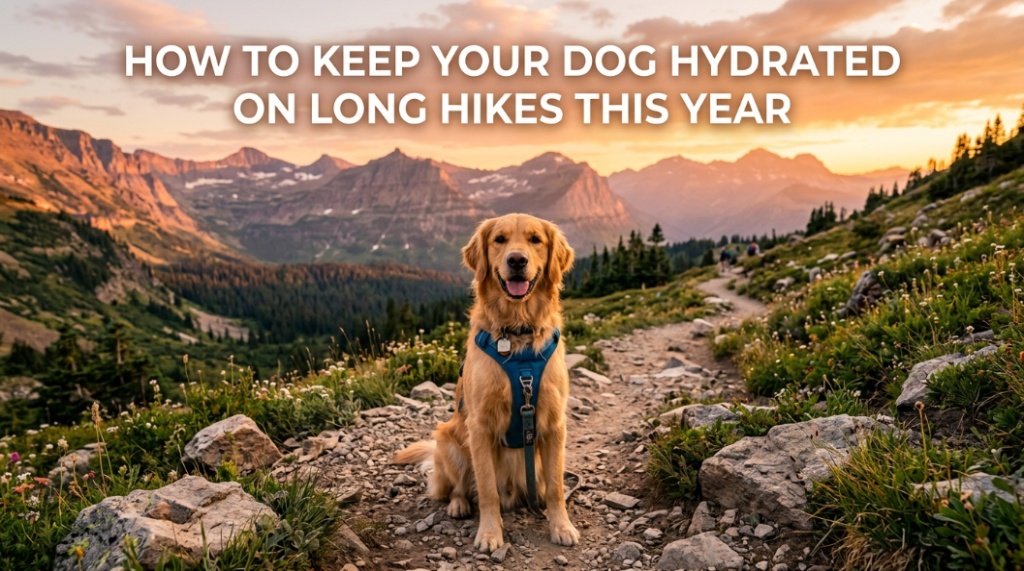
Long hikes create amazing adventures for dogs, but they also increase the risk of dehydration. Studies show that dogs can lose significant fluids through panting, especially during warm weather or steep trails. Moreover, dehydration can quickly reduce energy levels and affect a dog’s overall safety outdoors. Many pet owners focus on food and gear while forgetting proper hydration planning. However, keeping your dog hydrated during hikes requires more than simply carrying water. Smart preparation, trail awareness, and hydration timing can make every outdoor trip safer and more enjoyable for your furry companion.
Why Hydration Matters During Long Hikes
Dogs regulate body temperature mainly through panting, which causes rapid fluid loss during physical activity. Therefore, hiking for several hours without proper hydration can lead to fatigue and overheating. Active breeds often push beyond their limits, making dehydration harder to notice early. Owners should always monitor water intake before, during, and after hikes. Understanding your dog’s hydration needs helps prevent serious outdoor health problems.
Different breeds also respond differently to physical exertion and heat exposure on trails. For example, thick-coated dogs usually overheat faster during humid conditions. Smaller dogs may tire sooner because their bodies store less water overall. Additionally, older dogs often struggle with heat regulation during strenuous activities. Learning about healthy dog condition signs can help owners recognize whether their pets are physically ready for demanding hikes.
Hydration also supports healthy joints, muscle recovery, and stable energy during outdoor adventures. Dogs that remain properly hydrated usually recover faster after hiking sessions. Furthermore, adequate water intake improves circulation and supports normal body cooling functions. Dehydrated dogs may appear weak, dizzy, or unusually uninterested in movement. Preventing dehydration always works better than treating it afterward.
Signs Your Dog May Be Dehydrated
Recognizing dehydration early can prevent dangerous complications during long hikes. One common sign includes excessive panting that does not slow down during rest breaks. Dogs may also develop dry gums or sticky saliva when water levels drop. Additionally, tiredness and unusual lagging behind often signal fluid loss. Paying close attention to small behavioral changes can protect your dog outdoors.
Another important sign involves skin elasticity around the neck and shoulders. Gently lift the skin and observe how quickly it returns to normal position. Hydrated skin snaps back immediately, while dehydrated skin stays raised briefly. Moreover, sunken eyes sometimes appear during moderate dehydration. These physical changes often develop before severe symptoms become obvious.
Some dogs also stop eating treats or become unusually quiet during hikes. While many owners assume the dog simply feels tired, dehydration often causes appetite loss and mental dullness. Heat exhaustion can develop quickly if these warning signs continue unnoticed. Therefore, hikers should schedule frequent hydration checks during every outdoor trip. Early action can prevent emergency situations on remote trails.
How Much Water Dogs Need on Hiking Trips
The amount of water a dog needs depends on size, activity level, weather, and trail difficulty. Many veterinarians recommend offering water every 15 to 30 minutes during active hikes. Larger breeds generally require more fluids because they lose more moisture through panting. Furthermore, dogs hiking in direct sunlight need additional hydration support. Consistent water breaks help maintain energy and prevent overheating.
A simple guideline suggests carrying at least one liter of water for every hour of moderate hiking. However, hot climates and mountain trails often require significantly more water supplies. Owners should never assume natural streams provide safe drinking water for dogs. Contaminated water sources may contain parasites or harmful bacteria. Bringing enough clean water always remains the safest approach.
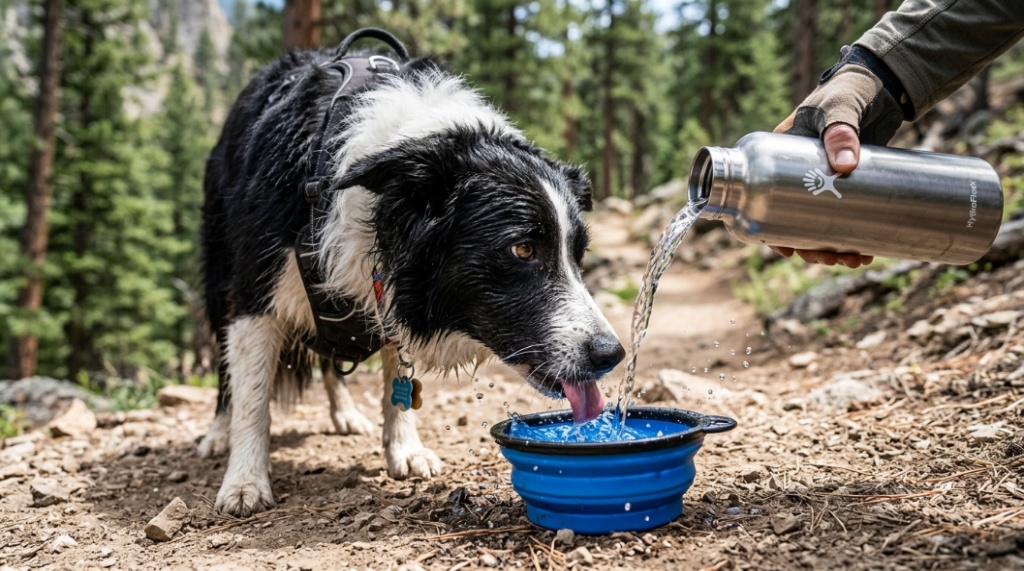
Hydration needs also increase when dogs carry backpacks or hike on rocky terrain. Heavy exertion causes muscles to generate more heat, increasing water loss rapidly. Additionally, dark-coated dogs may absorb more sunlight during summer hikes. Some owners choose collapsible bowls because they encourage more frequent drinking stops. Small hydration tools can greatly improve outdoor safety.
Best Types of Water Containers for Hiking Dogs
Portable hydration gear makes long hikes easier for both dogs and owners. Collapsible silicone bowls remain one of the most practical hiking accessories today. They weigh very little and fit easily inside backpacks or side pockets. Moreover, they allow dogs to drink naturally without spilling excess water. Lightweight gear improves convenience during long-distance hiking trips.
Dog-specific water bottles with attached drinking trays also work extremely well on trails. These bottles reduce waste because unused water flows back into the container. Furthermore, they help owners control water portions during frequent breaks. Choosing proper gear becomes even more important when planning outdoor adventures with pets. Many people considering active pet lifestyles first explore important pet ownership factors before committing to long hiking routines.
Insulated water bottles provide another smart option for hot-weather hikes this year. Cold water stays cooler longer, helping dogs regulate body temperature more effectively. Stainless steel bottles often perform better than plastic during extreme heat exposure. Additionally, insulated containers reduce the chance of warm, stale-tasting water. Dogs usually drink more willingly when water stays fresh and cool.
Hydration Tips for Hot Weather Hiking
Summer hikes create higher dehydration risks because dogs lose fluids faster through constant panting. Therefore, early morning hikes usually offer safer temperatures and lower sun intensity. Midday heat can quickly overwhelm dogs, especially on open trails without shade. Owners should always check weather forecasts before planning outdoor activities. Cooler conditions reduce hydration stress significantly.
Rest breaks become especially important during warm-weather hiking trips. Dogs need time to cool down in shaded areas before continuing intense physical movement. Moreover, pouring small amounts of water on paw pads can help reduce heat buildup. Some experienced hikers also carry cooling bandanas for extra comfort. These small adjustments improve endurance during hotter months.
A unique but often overlooked issue involves overheated drinking water inside backpacks. Water bottles exposed to sunlight can become surprisingly hot after several hiking hours. Many dogs refuse warm water, which increases dehydration risks on trails. Therefore, storing bottles inside insulated sleeves helps maintain safe temperatures longer. This simple strategy remains one of the least discussed hydration mistakes among hikers.
Cold Weather Hiking Still Requires Hydration
Many dog owners focus only on summer dehydration, yet winter hiking also creates hydration challenges. Cold air reduces thirst sensation, causing dogs to drink less frequently outdoors. However, physical activity still causes moisture loss through breathing and movement. Snowy trails can also increase energy demands significantly. Dogs require steady hydration during cold-weather adventures as well.
Eating snow should never replace drinking clean water during hikes. Snow lowers body temperature and may contain hidden bacteria or harmful contaminants. Additionally, consuming too much snow can upset a dog’s stomach during physical activity. Owners should continue offering fresh water regularly throughout winter hikes. Reliable hydration habits matter in every season.
Some dogs prefer slightly warm water during colder outdoor conditions. Bringing insulated containers helps prevent freezing and encourages better hydration overall. Furthermore, winter coats and protective boots may increase physical exertion during long treks. Dogs often burn more calories while moving through snow or muddy terrain. Consistent hydration supports energy balance and muscle function during winter activities.
Safe Electrolyte Support for Active Dogs
Electrolytes help regulate muscle function, hydration balance, and nerve activity in active dogs. During extremely long hikes, dogs sometimes lose electrolytes through heavy panting and exertion. However, owners should avoid giving sports drinks designed for humans. Many human electrolyte products contain unsafe ingredients like artificial sweeteners or excess sodium. Dog-safe electrolyte solutions remain the safest option.
Veterinary-approved hydration supplements can support recovery after demanding hikes or hot-weather adventures. These products often contain balanced minerals specifically formulated for canine health. Moreover, electrolyte support may help senior dogs recover faster after physical activity. Owners should always introduce supplements gradually before major hiking trips. Sudden dietary changes can upset digestion outdoors.
Natural hydration snacks can also support fluid intake during long trails. Water-rich foods like cucumber slices or seedless watermelon provide both moisture and nutrients. Additionally, frozen broth cubes work well during summer hiking breaks. Dogs often enjoy flavored hydration options more than plain water alone. Smart snack choices can improve hydration consistency throughout the hike.
Training Your Dog to Drink More Water Outdoors
Some dogs become too excited during hikes and ignore water breaks completely. Therefore, training hydration habits before major adventures becomes extremely important. Owners should practice short hiking sessions while encouraging regular drinking routines. Rewarding water breaks with praise or treats often improves cooperation. Consistency helps dogs associate hydration with positive outdoor experiences.
Using familiar bowls and bottles can also increase outdoor drinking success. Dogs sometimes avoid unfamiliar containers because of strange smells or shapes. Moreover, practicing hydration routines at parks helps dogs adjust gradually to trail environments. Experienced hikers often train commands specifically for water breaks during outdoor activities. Structured routines improve safety during longer adventures.
Flavoring water lightly with low-sodium broth may encourage reluctant dogs to drink more frequently. However, owners should use this method carefully to avoid digestive upset during hikes. Testing hydration strategies before difficult trails always remains the best approach. Every dog responds differently to outdoor conditions and physical exertion. Preparation creates safer and more enjoyable hiking experiences.
What to Pack for Dog Hydration Safety
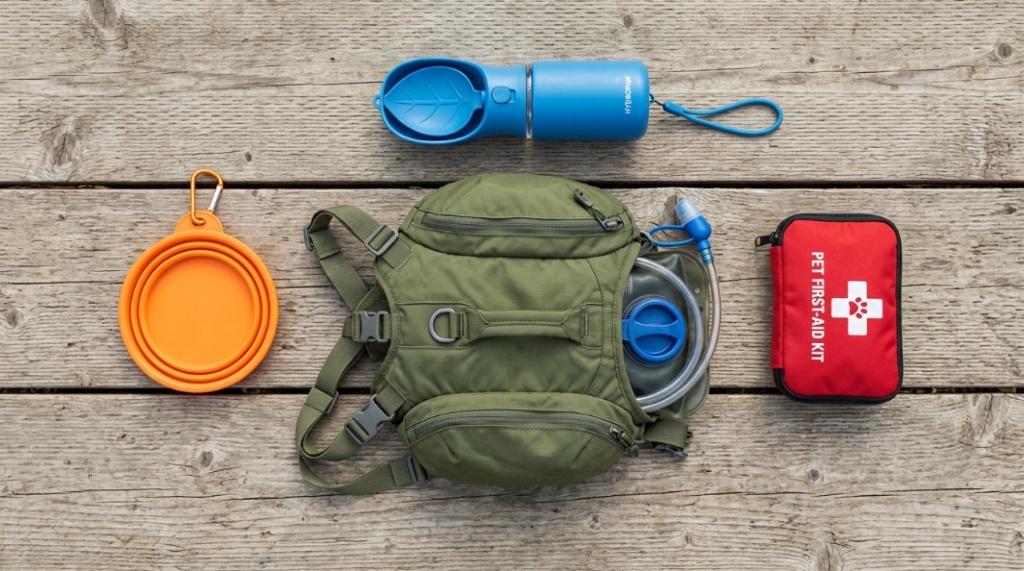
Every hiking trip should include essential hydration supplies for your dog. Carrying extra water remains the most important safety measure for outdoor adventures. Additionally, collapsible bowls, cooling towels, and portable filtration systems improve trail preparedness. First-aid kits should also include emergency hydration support items. Organized packing reduces stress during unexpected situations.
- Portable water bottle with attached bowl
- Extra clean drinking water
- Cooling bandana or towel
- Dog-safe electrolyte supplement
- Portable shade tarp or umbrella
- Waterproof food and treat containers
Owners hiking in remote areas should also carry backup hydration plans. Some trails may lack reliable water sources despite online descriptions or maps. Furthermore, weather changes can increase water needs unexpectedly during the hike. Bringing additional supplies always provides better safety margins outdoors. Responsible preparation protects both pets and owners during long-distance adventures.
Conclusion
Keeping your dog hydrated on long hikes this year requires planning, awareness, and consistent outdoor habits. Frequent water breaks, proper gear, and climate-specific strategies help prevent dehydration during every adventure. Moreover, understanding your dog’s physical limits allows safer and more enjoyable hiking experiences. Responsible owners always prioritize hydration before trail distance or hiking speed. If you are preparing for life with a young dog before future outdoor adventures, learning about raising a puppy responsibly can help you build healthier long-term habits from the beginning.
FAQs
How often should I give my dog water during a hike?
Offer small amounts of water every 15 to 30 minutes during active hiking.
Can dogs drink from rivers or lakes on hiking trails?
Dogs should avoid untreated natural water because it may contain harmful bacteria or parasites.
What are early signs of dehydration in dogs?
Common early signs include excessive panting, dry gums, and unusual tiredness.
Is cold weather hiking safer for dog hydration?
Cold weather reduces heat stress but dogs still need regular hydration during physical activity.
Should I use electrolyte drinks for my dog?
Only veterinarian-approved electrolyte products designed specifically for dogs are safe.