
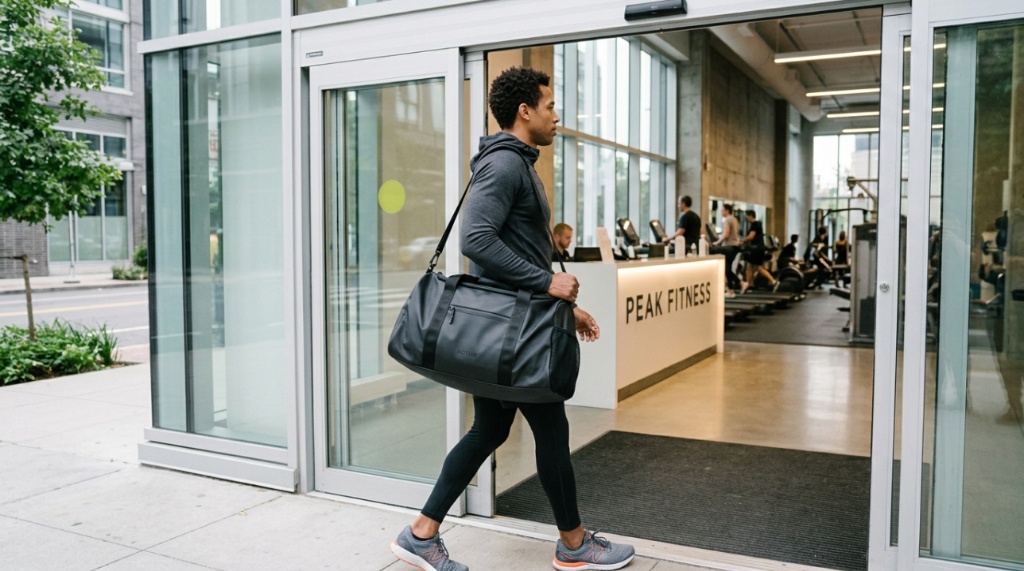
You finally committed to a consistent fitness routine, but you are still hauling your gear to the gym in a flimsy plastic shopping bag or an old backpack that smells like last week’s laundry. That is a recipe for frustration. Choosing the wrong gym bag can ruin your workout before you even step onto the treadmill. Many people waste money on bags that rip, smell, or simply do not fit their lifestyle. The market is flooded with cheap options that look good in the store but fail within weeks. This guide will walk you through the most common buying mistakes so you can choose a bag that lasts, keeps your gear organized, and actually makes your life easier. We will cover everything from material science to compartment strategy, ensuring you never waste another dollar on the wrong purchase.
What material should your gym bag be made of?
Your gym bag should be made of either high-denier nylon, polyester with a waterproof coating, or heavy-duty canvas. The material determines how long the bag lasts, how easy it is to clean, and whether your stuff stays dry.
Nylon (specifically ballistic or ripstop) is the gold standard for durability. It resists tears, abrasions, and most moisture. Polyester is a more affordable alternative, but look for a high thread count and a PU (polyurethane) coating to prevent water seepage. Canvas is stylish and breathable, but it absorbs moisture and odors easily. Avoid cheap vinyl or faux leather entirely. These materials crack in cold weather, peel after a few months, and trap bacteria. Always check the “denier” rating. A 600D or higher is ideal for heavy use. Anything below 300D is too thin for regular gym sessions and will likely develop holes at the seams.
Why does compartment design matter more than size?
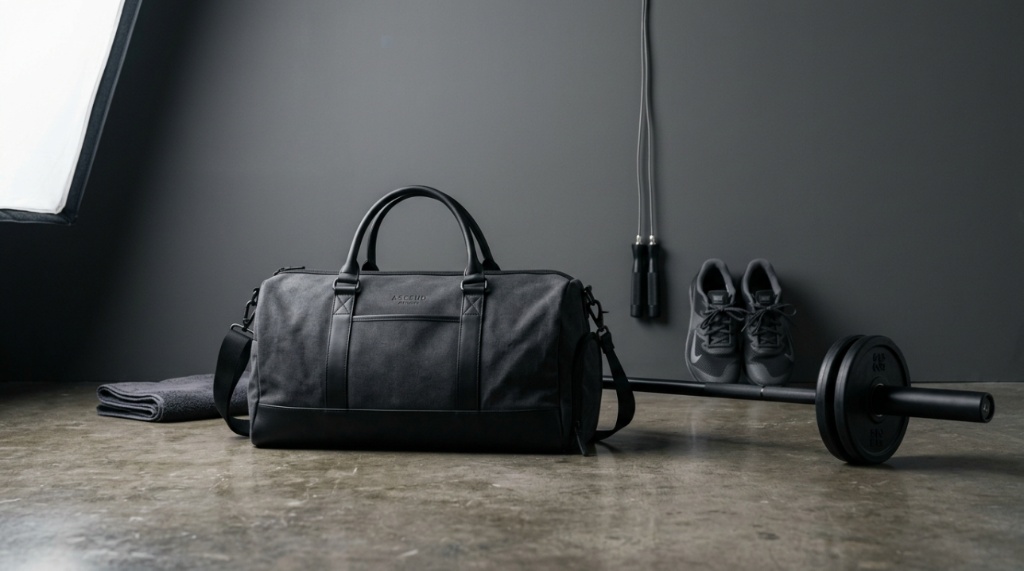
Compartment design matters more than size because a poorly organized large bag is worse than a well-organized small bag. You will spend minutes digging for your locker key or deodorant, which defeats the purpose of having a bag.
A great gym bag uses the “zone” system. The main compartment should be large and open for clothes and towels. A separate shoe compartment is non-negotiable. Even if you think your shoes are clean, they carry dirt and bacteria from the floor. The shoe pocket must be waterproof or at least water-resistant to keep the rest of your gear fresh. A wet pocket for swim gear or sweaty clothes is another crucial feature. Look for a ventilated mesh pocket that allows air circulation. Small accessory pockets on the outside are perfect for keys, phone, wallet, and earbuds. Avoid bags with only one giant cavern. You will end up with a tangled mess of socks, straps, and protein powder.
Essential compartments to look for
- Main compartment (large, open)
- Waterproof shoe pocket or shoe sleeve
- Ventilated wet/dry pocket
- Quick-access front pocket for phone and wallet
- Side mesh pocket for water bottle
Which gym bag style is best for your routine?
The best gym bag style depends entirely on how you get to the gym and what you carry. Duffel bags are versatile and spacious. Backpacks are better for commuting by bike or public transport. Hybrid bags combine both features.
If you drive to the gym, a classic duffel is hard to beat. It fits easily on a seat or in the trunk and can carry bulky items like boxing gloves or a yoga mat. If you walk, bike, or take the subway, a backpack distributes weight evenly and leaves your hands free. Look for a backpack with a padded laptop sleeve if you are going straight from the office. Hybrid bags, which convert from a duffel to a backpack, are great for travelers or people with unpredictable schedules. The list below outlines the best match for common scenarios.
| Your Routine | Best Bag Style | Why It Works |
|---|---|---|
| Drive to gym | Duffel bag | Easy to carry, fits in trunk, spacious |
| Bike or walk | Backpack | Weight balanced, hands-free, stable |
| Office + gym | Hybrid backpack/duffel | Laptop pocket, professional look, versatile |
| Swimming or CrossFit | Ventilated duffel with wet pocket | Dries fast, contains moisture, durable |
How do you know if a gym bag has good durability?
You know a gym bag has good durability by examining the stitching, zippers, and strap attachments. These three points are where most budget bags fail first.
Check the stitching carefully. Look for double-stitched or reinforced seams, especially at stress points like the handles and the bottom corners. Single stitching will unravel under the weight of a full bag. Next, examine the zippers. YKK zippers are the industry standard for quality. If the bag uses a generic, unbranded zipper, it is likely to snag or break within months. Pull the zipper open and closed a few times in the store. It should glide smoothly without catching. Finally, look at how the straps attach to the bag. Avoid straps that are simply sewn onto a thin piece of fabric. Look for reinforced webbing loops that wrap around the bag or are bolted through a metal or plastic anchor.
Can a gym bag double as an overnight bag?
Yes, a gym bag can double as an overnight bag, but only if it meets specific criteria. It needs a dedicated laptop compartment, enough volume for two days of clothing, and a more neutral, professional design.
Many gym bags are too casual for a business trip. Look for a bag made from clean, dark materials like black ballistic nylon or charcoal polyester. Avoid bright neon colors or huge brand logos that scream “gym rat.” The volume should be between 35 and 50 liters. This gives you room for a change of clothes, toiletries, a laptop, and your gym gear. A luggage sleeve is a fantastic bonus feature. This is a strap on the back of the bag that allows you to slide it over the handle of a rolling suitcase. It makes traveling through airports much easier. If you plan to use the bag for both purposes, choose a hybrid design that looks just as good in a hotel lobby as it does in a locker room.
Why do people ignore ventilation and odor control?
People ignore ventilation and odor control because they focus on looks and price first. This is a major oversight that leads to a smelly, bacteria-infested bag within weeks.
Sweat, moisture, and bacteria create a perfect storm for unpleasant odors. A bag without ventilation traps this moisture. Even after your clothes are washed, the bag itself retains the smell. High-quality gym bags solve this with mesh panels, separate ventilated pockets, or antimicrobial linings. The mesh allows air to circulate and dry out the interior faster. Some premium bags use silver-ion technology or activated charcoal fabric to neutralize odors at a molecular level. If your current bag smells musty even after cleaning, it lacks proper ventilation.
Odor control features to prioritize
- Mesh ventilation panels on the sides or bottom
- A separate ventilated pocket for shoes or wet clothes
- Antimicrobial or moisture-wicking interior lining
- Machine-washable construction (check the tag)
Is a waterproof gym bag necessary?
A waterproof gym bag is necessary if you swim, do outdoor sports in the rain, or carry wet towels and swimwear. For standard gym-goers, a water-resistant bag is usually sufficient.
True waterproof bags use welded seams, roll-top closures, or waterproof zippers (like those made by YKK AquaGuard). These bags are excellent for swimmers, surfers, or anyone who bikes in rainy climates. However, they are heavier, more expensive, and often less breathable. For the majority of people who just go to the gym and back, a water-resistant bag is the better choice. Look for a DWR (Durable Water Repellent) coating on the exterior fabric. This will handle light rain and spills. The most important waterproof feature is a dedicated waterproof pocket inside the bag. This keeps your sweaty clothes or wet swimsuit separate from your dry items, even if the rest of the bag is not sealed.
What size gym bag should you actually buy?
You should actually buy a gym bag that is slightly smaller than you think you need. Most beginners overestimate their space requirements and end up carrying a bulky bag that is mostly empty.
A 25 to 35-liter bag is sufficient for a standard gym session with a towel, change of clothes, shoes, toiletries, and a water bottle. A 40 to 50-liter bag is for people who bring bulky items like a yoga mat, lifting straps, a foam roller, or two pairs of shoes. Anything above 50 liters is excessive unless you are packing for a multi-day trip or an entire sports team. Too large a bag encourages you to pack useless items “just in case.” It also puts more strain on your shoulders and back. Measure the main items you carry daily (shoes, towel, clothes) and stack them together. The stack should fit inside the bag with a little room to spare, not force the bag to bulge.
How do you match a gym bag to your gym’s locker size?
You match a gym bag to your gym’s locker size by measuring the internal dimensions of a standard locker before you buy. This is the single most overlooked factor in the buying process.
Standard gym lockers are roughly 12 inches wide, 12 to 18 inches deep, and 36 to 48 inches tall. Some luxury gyms offer larger lockers, while budget gyms use compact lockers. If your bag is too wide, it will not fit at all. If it is too tall, it will not fit vertically and you will have to jam it in sideways. Before purchasing a bag, visit your gym and measure the inside of a locker. Write down the width, depth, and height. Then compare these numbers to the bag’s dimensions listed on the product page. A duffel bag that is 12 inches wide and 20 inches long will fit horizontally in most standard lockers. A tall backpack may only fit if the locker is large enough to accommodate its height.
When choosing a bag, think about the specific workouts you do. If you are packing custom mats or blocks to maximize the benefits you will get from hypopressive gymnastics, a tiny standard duffel won’t cut it. Look for a bag with dedicated external straps or an expandable main compartment so your specialized core-training gear never gets crushed.
Frequently Asked Questions
Can you put a gym bag in the washing machine?
It depends on the material. Many nylon and polyester bags can be machine washed on a gentle cycle with cold water. Always check the care tag first. Canvas bags may shrink or warp. Remove any detachable straps or inserts before washing. Air dry the bag completely; never put it in the dryer.
How often should you clean your gym bag?
You should clean your gym bag at least once a month. If you sweat heavily or use the bag daily, clean it every two weeks. Frequent cleaning prevents bacterial buildup and extends the life of the bag. Wipe down the interior with disinfectant wipes between deep washes.
What is the difference between a duffel bag and a gym bag?
A duffel bag is a specific style of bag that is elongated and cylindrical, usually carried by a shoulder strap or handles. A gym bag is a broader term that includes duffels, backpacks, and hybrid designs. All duffel bags can be used as gym bags, but not all gym bags are duffels.
Should I buy a cheap gym bag or invest in a premium one?
You should invest in a premium bag if you go to the gym at least three times per week. Cheap bags last 3 to 6 months before zippers break or seams tear. A mid-range or premium bag can last several years, making it more cost-effective over time. The price difference is justified by better materials and construction.
Can I use a regular backpack as a gym bag?
You can use a regular backpack in a pinch, but it is not ideal. Most backpacks lack a separate shoe compartment, a wet pocket, and ventilation. Your shoes will dirty the inside of the bag, and your sweaty clothes will mix with your dry items. A dedicated gym bag solves these problems.
What features are most important for a women’s gym bag?
Important features for a women’s gym bag include an external pocket for phone and keys, a separate shoe compartment, lightweight material, and adjustable straps. Many women prefer bags with a more compact profile that do not overwhelm their frame. A bag with a feminine aesthetic is also common, but durability should remain the priority.
How do I stop my gym bag from smelling?
Stop your gym bag from smelling by removing dirty clothes and towels immediately after your workout. Air out the bag with the zippers open. Use a waterproof wet pocket for sweaty items. Sprinkle baking soda inside the bag monthly and vacuum it out. Never store the bag closed while it is damp.
Conclusion
Buying a gym bag should not be a frustrating guessing game. By avoiding the common mistakes outlined in this guide, you can skip the disappointment of torn seams, broken zippers, and lingering odors. Focus on the material first. Choose high-denier nylon or coated polyester for durability. Prioritize compartment design over raw size. A bag with a separate shoe pocket and a ventilated wet pocket will keep your gear organized and fresh. Match the style to your commute. A backpack for cyclists, a duffel for drivers, and a hybrid for everyone else. Always check the zippers and stitching for quality. Finally, measure your gym locker before you click “buy.” A bag that does not fit in your locker is useless. Apply these principles, and you will find a bag that supports your fitness journey for years. Do not settle for a bag that makes your life harder. Find one that works as hard as you do.