
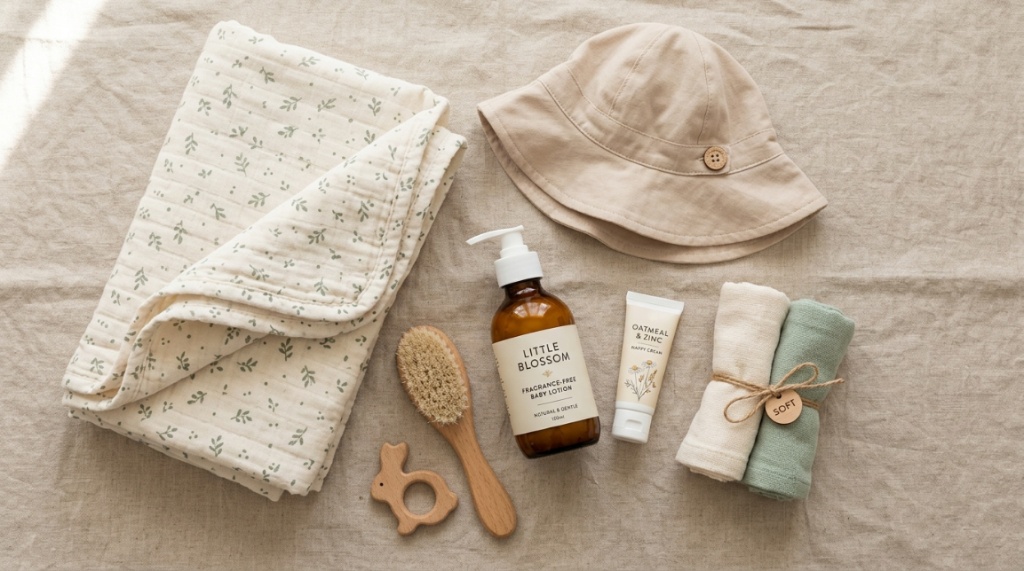
California sunshine is relentless. While you want your little one to enjoy the outdoors, the combination of intense UV rays, arid inland breezes, and dry coastal winds can strip delicate baby skin of its natural moisture barrier within hours. The result? Dry patches, irritation, and that concerning rough texture that makes every parent worry. You need a strategy that protects hydration without leaving your baby feeling sticky or overheated. This guide walks you through practical, effective ways to moisturize baby skin in california heat while keeping your baby comfortable, cool, and protected all day long.
Key Takeaways
- California’s climate demands a layered hydration approach: lighter lotions during the day and thicker ointments or creams at night.
- Timing matters more than product quantity; applying moisturizer immediately after a lukewarm bath and before sun exposure is critical.
- Water-based and gel-based formulas absorb quickly and prevent clogged pores, making them better for hot, sweaty days than heavy oils.
- Look for humectants like glycerin and ceramides, but avoid mineral oil-heavy products that can trap heat and cause prickly heat rash.
- Pay special attention to vulnerable zones like cheeks, knees, and elbows, which dry out faster in low-humidity environments.
Why California Heat Dries Out Baby Skin Faster
California isn’t a single climate—it’s a patchwork of coastal fog, valley heat, and desert dryness. But one common thread is low relative humidity for much of the year, especially during summer months. When humidity drops below 40 percent, the stratum corneum (the outermost skin layer) loses water quickly through a process called transepidermal water loss (TEWL).
Baby skin is particularly vulnerable because it’s thinner than adult skin (about 20–30 percent thinner) and produces fewer natural oils. The acid mantle—a protective film on the skin’s surface—is also less developed, making it easier for irritants and dry air to trigger inflammation. Add sweat from the heat, which evaporates quickly in dry air, and you have a recipe for dehydration that feels tight and looks flaky.
The Climate Zone Factor
Where you live within California changes your approach. In coastal cities like San Francisco or San Diego, salt air and wind can actually draw moisture out of the skin, even with fog present. In inland areas like Sacramento or Fresno, triple-digit summer temperatures increase sweating, which can mix with leftover lotion and clog pores if you’re using the wrong formula. Understanding your local humidity patterns helps you choose between a daytime lightweight lotion and a nighttime richer cream.
Step-by-Step: How to Apply Moisturizer for Maximum Absorption
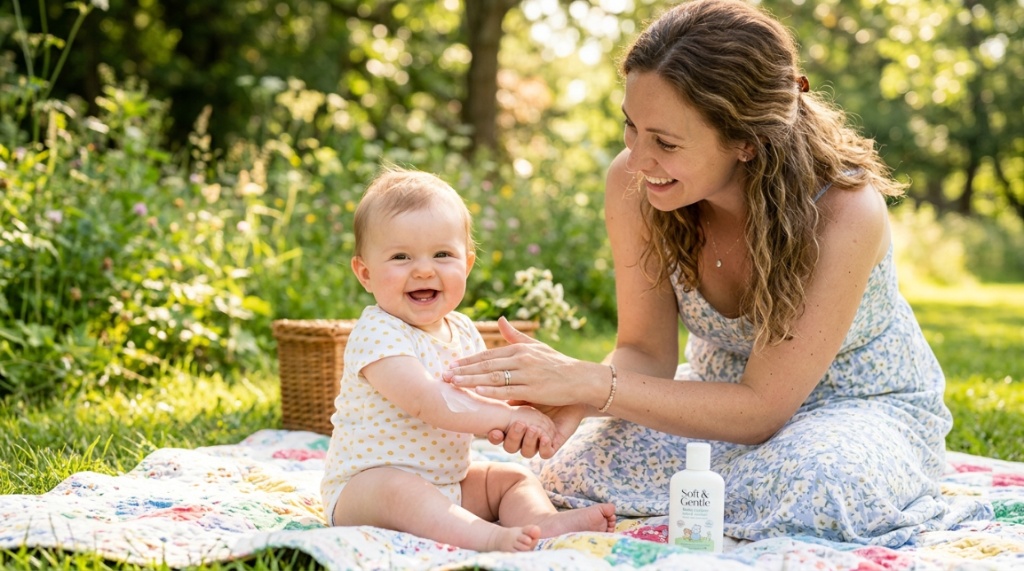
Simply rubbing lotion on dry skin isn’t enough—especially in California heat where products evaporate or rub off quickly. Here’s the sequence that works best for most babies, whether they have normal, dry, or eczema-prone skin.
- Bathe with lukewarm water, not hot. Hot water strips the skin’s natural oils. Keep bath time to 5–10 minutes maximum.
- Pat—don’t rub—the skin dry. Leave the skin slightly damp so the moisturizer can trap that residual water.
- Apply moisturizer within three minutes of stepping out of the bath. This window is critical for locking in hydration.
- Use gentle, upward strokes. Avoid aggressive rubbing, which can irritate sensitive skin, especially on the face.
- Allow the product to absorb for 2–3 minutes before dressing your baby. This prevents the lotion from transferring to clothing and being wasted.
Morning vs. Evening Routine Adjustments
In the morning, use a lighter formula with humectants that pull water into the skin. This prevents greasiness during daytime heat. At night, after the sun has set and your baby’s body temperature drops slightly, switch to a thicker occlusive cream (like a shea butter-based or ceramide-rich product) that forms a protective seal. Your baby’s skin repairs overnight, and these heavier formulas support that process without feeling uncomfortable in the day’s heat.
Choosing the Right Texture: Lotions, Creams, and Ointments
Not all moisturizers are created equal, and the California heat drastically changes which texture works best. The general rule is: the higher the water content, the lighter the product; the higher the oil content, the more protective (but potentially hotter) it feels.
| Texture | Water/Oil Ratio | Best For | When to Use |
|---|---|---|---|
| Lotion | High water, low oil | Normal to slightly dry skin | Morning, before outdoor time |
| Cream | Balanced water and oil | Moderately dry or eczema-prone skin | Evening, after bath |
| Ointment (e.g., petroleum-based) | Low water, high oil | Severely dry patches | Spot treatment on cheeks, knees, elbows |
In the summer, many pediatric dermatologists recommend sticking primarily to lotions and creams. Ointments, while excellent for sealing moisture, can trap body heat when applied heavily across large areas. Reserve ointments for tiny problem spots rather than all-over body application on hot days.
Ingredients to Prioritize
Look for three types of ingredients: humectants, emollients, and occlusives. Humectants (glycerin, hyaluronic acid, aloe vera) draw water into the skin. Emollients (squalane, shea butter, jojoba oil) smooth the skin by filling in gaps between skin cells. Occlusives (beeswax, dimethicone, lanolin) form a physical barrier to prevent water loss.
For California heat specifically, prioritize glycerin and ceramides. Both are lightweight, non-comedogenic, and effective at holding moisture without feeling heavy. Avoid formulas with high concentrations of mineral oil or petrolatum during the day—they create a greasy film that can make your baby feel uncomfortably warm.
Protecting Moisturized Skin During Outdoor Play
You’ve applied the lotion, but now your baby wants to crawl, run, or sit in the stroller. How do you keep that moisture locked in while the sun beats down? The key is reapplication and smart scheduling.
Reapplication Timeline
Most baby lotions last only 3–4 hours before they break down from sweat or rub off on clothing. If you’re spending an extended afternoon outside, plan to reapply a light layer to exposed areas—arms, legs, face—after about two hours. You don’t need a full-body application; focus on the zones that receive direct sun.
The Sweat and Moisturizer Interaction
When your baby sweats, the moisture on the skin mixes with the lotion. If the lotion was water-based, this usually enhances absorption. If it was oil-heavy, sweat can pool on top, causing a sticky mess that attracts dust and dirt. Stick to non-comedogenic, water-based products during peak heat hours (10 a.m. to 4 p.m.) to avoid this issue.
Combining Moisturizer with Sun Protection
Moisturizer and sunscreen serve different purposes, but they need to work together. Moisturizer hydrates; sunscreen protects against UV damage. For babies under six months, the American Academy of Pediatrics recommends avoiding direct sun exposure and relying on protective clothing, hats, and shade. Moisturizer alone does not provide sun protection.
For babies older than six months, apply moisturizer first, wait 10–15 minutes for it to absorb, then apply a mineral-based sunscreen with zinc oxide or titanium dioxide. Chemical sunscreens (like avobenzone or oxybenzone) can irritate baby skin, especially when combined with the heat and sweat. A mineral sunscreen acts as a physical barrier, and it layers well over a water-based moisturizer without pilling.
Can You Combine Moisturizer and Sunscreen into One Product?
Some products claim to do both, but they often fail at one or the other. A 2-in-1 product might have SPF 30 but insufficient moisturizing power for California’s dry air, or it might be highly hydrating but provide weak UV coverage. Using separate products gives you control over both protection and hydration levels. This is particularly important because the proper amount of sunscreen for adequate protection often feels heavier than the amount of lotion your baby’s skin needs.
Addressing Common Heat-Related Skin Issues
Even with a solid moisturizing routine, the heat can trigger specific issues that require targeted responses. Confusing dry skin with heat rash is common, and treating the wrong condition can make things worse.
Prickly Heat vs. Dry Skin
Prickly heat (miliaria) appears as tiny red bumps or blisters, usually in skin folds or areas covered by clothing. It’s caused by blocked sweat ducts, not dryness. Applying thick moisturizer to prickly heat can worsen it by further blocking sweat glands. In contrast, dry skin looks flaky, feels rough, and may appear grayish or ashy on deeper skin tones. If you notice bumps rather than flakes, switch to a lighter gel-based moisturizer and focus on keeping the area cool and dry.
Eczema Flare-Ups in Summer
Heat triggers eczema flares because sweating irritates already-inflamed skin. If your baby has eczema, you’ll need a more aggressive approach: apply a prescription-strength barrier cream if recommended by your pediatrician, and increase the frequency of moisturization to at least twice daily. Opt for fragrance-free, dye-free formulas, as these additives can trigger flares even in the absence of allergies.
Bathing in lukewarm water followed immediately by a thick cream (applied within three minutes) remains the gold standard for eczema management during summer. You may also want to use a gentle, non-soap cleanser to avoid stripping the skin’s moisture barrier further.
Nighttime Hydration Lock-In
Night is when your baby’s skin does its most significant repair work. The cooler room temperature (ideally 68–72°F) reduces sweating, allowing moisturizers to stay on the skin longer and penetrate more deeply. This is the ideal time to use a richer product that you might avoid during the day.
If your baby has a humidifier in their room, that helps too—especially during California’s drier months. Setting it to around 50 percent humidity adds moisture to the air, reducing the amount of water your baby’s skin loses overnight. The combination of a humidifier plus an overnight cream can dramatically improve skin softness within a week.
Overnight Masking for Severe Dryness
For persistent dry patches—especially on the cheeks, which are constantly exposed to dry air—consider an overnight “mask” technique. Apply a thick layer of a fragrance-free ointment or heavy cream to the affected area, then cover it with a soft cotton clothing or a sleep sack to keep it in place. This is particularly effective in the winter, but it also works after unusually hot, dehydrating summer days.
Adjusting by Age: Newborns vs. Older Babies
Age changes the moisture needs of your baby’s skin. Newborns (0–3 months) have skin that is thinner and more prone to irritation from even gentle products. For this age group, less is often more—use plain water for bathing and apply a minimal amount of a fragrance-free, hypoallergenic moisturizer only to visibly dry areas.
Older babies (6–12 months) have more active skin that sheds dead cells faster. They also produce more sweat as they become more mobile. These babies need more consistent full-body moisturizing, especially after every bath and before going outdoors. Their skin barriers are stronger, meaning they can tolerate a wider range of ingredients, including those with ceramides and oat extracts,
To protect your child’s barrier against intense seasonal weather changes, explore our expert guide on Remedies for dry, dehydrated skin for additional soothing care tips.
Frequently Asked Questions
How many times a day should I moisturize my baby during California summers?
At minimum, twice daily—once in the morning before outdoor exposure and once after their evening bath. If your baby spends extended time outside or has dry skin, add a mid-afternoon reapplication to exposed areas like the face and arms.
Can I use regular adult lotion on my baby?
No. Adult lotions may contain fragrances, parabens, phthalates, and stronger active ingredients like salicylic acid or retinol that can irritate baby skin. Baby-specific formulations are pH-balanced and free from harsh chemicals, making them safer for delicate skin.
Should I apply moisturizer before or after sunscreen?
Apply moisturizer first, allow it to absorb for 10–15 minutes, then apply sunscreen on top. This ensures both products work effectively—the moisturizer hydrates and the sunscreen protects without being diluted by unmetabolized lotion.
What ingredients should I avoid when the heat is intense?
Avoid heavy oils like mineral oil, petrolatum, and lanolin in daytime products. These are occlusives that trap heat and sweat, increasing the risk of prickly heat rash. Also avoid any fragrance—even “natural” essential oils can trigger contact dermatitis when combined with UV exposure and sweat.
Is it possible to over-moisturize a baby?
Yes, but it’s rare. Over-moisturizing can clog pores and reduce the skin’s natural ability to produce oils. The real issue is usually product buildup rather than moisture overload. If your baby’s skin looks greasy after application, you’re using too much or a too-heavy formula. Cut back on quantity, not frequency.
How do I know if my baby needs a thicker cream instead of a lotion?
Press your palm flat against your baby’s skin and lift—if the skin feels rough, forms a visible dry patch, or looks flaky within hours of applying lotion, switch to a thicker cream. Generally, cream formulations are better for nighttime use and for babies living in inland California where humidity is extremely low.
Conclusion
Keeping your baby’s skin soft and hydrated in California heat isn’t about applying more product—it’s about applying the right product at the right time using the right technique. Start with lukewarm, brief baths and pat dry gently, leaving skin slightly damp. Use a lightweight, water-based lotion during the day before and during outdoor exposure, and transition to a thicker cream at night to support skin repair. Layer sunscreen separately for full protection, and adjust your approach based on your specific California microclimate. With this routine, dry, irritated skin becomes manageable—even during the hottest months of the year—so your baby stays comfortable, hydrated, and happy from head to toe.