
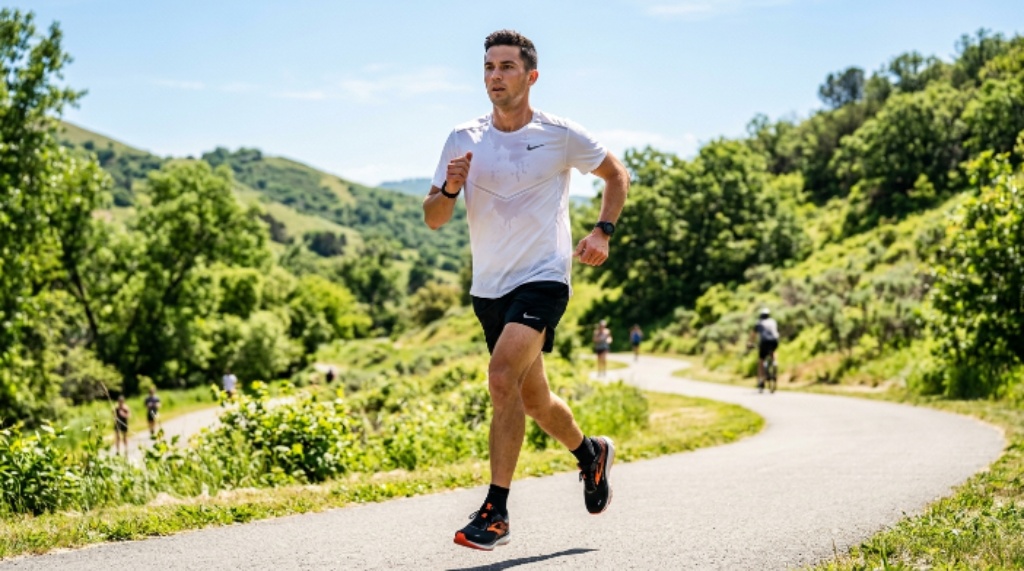
Working out in hot weather is a real challenge. The heat drains your energy faster. Sweat soaks through your clothes quickly. And the wrong shirt can make the whole experience miserable. However, choosing the right exercise shirt changes everything. The right fabric keeps you cool, dry, and comfortable through even the toughest session.
This guide will help you understand exactly what to look for. From fabric science to fit and function, you will learn how to pick a shirt that works with your body, not against it. Therefore, whether you run outdoors, train at an open-air gym, or simply prefer to work out without overheating, this article is for you.
Why Your Workout Shirt Matters in Hot Weather
Most people focus on shoes, water bottles, and training plans. However, they often overlook the shirt on their back. This is a mistake. Your shirt is in direct contact with your skin for the entire workout. It affects how well your body manages heat.
When you exercise, your core temperature rises. Your body responds by sweating to cool itself down. A good exercise shirt supports this process. It pulls moisture away from your skin and allows heat to escape. A poor one traps both heat and sweat, which leads to discomfort, rashes, and reduced performance.
Additionally, the wrong shirt adds unnecessary weight as it absorbs sweat. This slows you down and makes movement harder. Therefore, the shirt you choose is a genuine performance factor, not just a style choice.
The Most Important Feature: Fabric
Fabric is the single most important thing to evaluate when buying a workout shirt for warm conditions. Not all materials are created equal. Some are ideal for hot weather. Others will make you feel like you are wearing a wet blanket.
Polyester and Polyester Blends
Polyester is the most popular fabric in athletic wear for good reason. It is lightweight, durable, and dries quickly. Most modern summer workout tops are made from polyester or a blend of polyester and spandex. The spandex adds stretch, which improves range of motion during exercise.
Look for shirts labeled as moisture-wicking. This means the fabric is engineered to draw sweat from your skin to the outer surface, where it evaporates. This process keeps you drier and cooler during intense activity.
Nylon
Nylon is another excellent option. It is even softer than polyester and feels smooth against the skin. Additionally, it is highly resistant to abrasion, which means it holds up well over time. Nylon blends are slightly heavier than pure polyester but still perform very well in hot conditions.
Merino Wool
Merino wool surprises many people. It is a natural fiber that works remarkably well in warm weather. It regulates temperature naturally, wicks moisture efficiently, and resists odor better than synthetic fabrics. However, it comes at a higher price point. Additionally, it requires more delicate care when washing.
Cotton: What to Avoid
Cotton is comfortable for everyday wear, but it is a poor choice for hot weather workouts. It absorbs sweat and holds onto it. This makes the shirt heavy and clammy. Cotton also dries very slowly. Therefore, it is best to leave your cotton tees for casual wear and reach for a technical fabric when you train.
Fit and Construction: What to Look For
Beyond fabric, the way a shirt is cut and constructed plays a major role in comfort. Here are the construction features worth paying attention to:
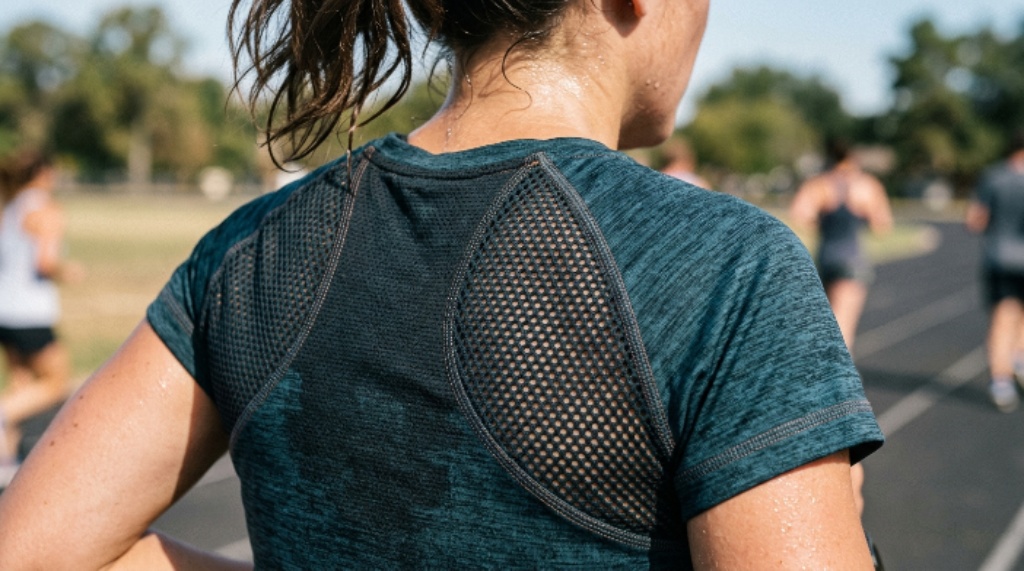
- Mesh panels: Shirts with mesh panels at the back, underarms, or sides allow extra airflow. These panels dramatically improve ventilation in high-heat conditions.
- Raglan or dropped sleeves: These sleeve styles prevent fabric bunching at the shoulder and allow a wider range of motion.
- Flatlock seams: Seams that lie flat against the fabric reduce skin irritation during repetitive movements like running or cycling.
- Tagless construction: Tags inside the collar can irritate sweaty skin. A tag-free collar keeps things clean and comfortable.
- Relaxed vs. athletic fit: A relaxed fit allows more airflow. An athletic fit stays close to the body, which suits some sports better. Consider your workout type when choosing.
Additionally, some airy fitness tees feature perforations or laser-cut holes across the fabric. These small openings increase breathability without compromising the shirt’s structure. They are especially useful for high-intensity training sessions.
Color Choice: A Small Detail with a Big Impact
Color may seem like a minor consideration. However, it has a real effect on how hot you feel during outdoor workouts. Dark colors absorb more sunlight and retain heat. Light colors reflect sunlight and keep you cooler.
Therefore, if you exercise outside during the day, opt for white, light grey, pale blue, or pastel shades. These colors reflect the sun’s rays more effectively. However, if your workout is indoors or in the shade, color matters much less. In that case, feel free to choose whatever you prefer.
Sleeveless, Short Sleeve, or Long Sleeve?
The sleeve length you choose depends on both your activity and your environment. Each option has its advantages.
Sleeveless shirts offer maximum ventilation. They allow the most airflow around your body and are ideal for gym workouts, weightlifting, and yoga in warm spaces.
Short sleeve shirts are the most versatile option. They offer a balance between coverage and breathability. They work well for running, cycling, and outdoor training.
Long sleeve lightweight shirts may seem counterintuitive in hot weather. However, they can protect your arms from sun exposure during long outdoor sessions. Look for long-sleeve options with UPF 50+ ratings if sun protection is a priority. Additionally, choose fabrics that are extremely thin and breathable to avoid overheating.
Odor Resistance and Hygiene Features
Heat and sweat together create a perfect environment for odor-causing bacteria. Fortunately, many modern workout shirts now include antimicrobial treatments. These treatments inhibit bacterial growth and keep your shirt smelling fresher for longer.
Silver-ion technology is one of the most common antimicrobial methods used in athletic apparel. It is effective and long-lasting. Additionally, merino wool is naturally antimicrobial, which is one reason it remains popular despite its higher cost.
However, be aware that antimicrobial treatments can fade over time, especially if you use harsh detergents. To preserve this feature, wash your workout shirts in cold water with a gentle detergent and air dry them when possible.
How to Match Your Shirt to Your Workout
Different types of exercise have different demands. A shirt that works for yoga may not be ideal for trail running. Here is a quick guide to matching your shirt to your activity:
- Running outdoors: Choose a lightweight, moisture-wicking short sleeve or sleeveless shirt with reflective details if you run in low light.
- Weightlifting: A sleeveless shirt or tank top gives your arms full freedom of movement.
- Cycling: Look for a form-fitting shirt that does not flap in the wind. Aerodynamics matter even at moderate speeds.
- HIIT or group fitness: A short sleeve shirt with mesh panels handles the heat generated by intense, varied movements.
- Yoga or Pilates: Choose a fitted shirt that stays in place when you move into inverted or stretched positions.
Budget vs. Premium: Do You Need to Spend a Lot?
Premium workout shirts from major brands can cost $60 to $100 or more. However, there are excellent options available in the $20 to $40 range. The key difference is usually in the quality of the chamois and the sophistication of the fabric technology.
For most recreational athletes and fitness enthusiasts, a mid-range shirt performs just as well as an expensive one during typical workouts. Therefore, you do not need to spend a lot to get a shirt that keeps you cool and comfortable.
That said, if you train daily or in extreme heat, investing in higher-quality summer workout tops may be worthwhile. Better construction and fabrics last longer and perform more consistently under heavy use.
Care Tips to Keep Your Shirt Performing Its Best
Even the best workout shirt loses its performance properties if cared for incorrectly. Follow these tips to keep your shirt in top condition:
- Wash after every use. Sweat and bacteria degrade fabric and antimicrobial treatments over time.
- Use cold water and a sports-specific detergent to protect technical fabric properties.
- Avoid fabric softener. It coats synthetic fibers and reduces their ability to wick moisture.
- Air dry instead of tumble drying. High heat weakens elastic fibers and shrinks fabric over time.
- Turn the shirt inside out before washing to protect the outer surface and any printed graphics.
Conclusion
Choosing the right exercise shirt for hot weather is a simple decision that has a big impact on how you feel and perform. The most important factors are fabric, fit, construction, and sleeve length. Moisture-wicking synthetic fabrics like polyester and nylon are the top choices. Mesh panels, flatlock seams, and tagless collars add extra comfort during intense sessions.
Additionally, matching your shirt to your specific workout type helps you get the best performance from your gear. Whether you prefer airy fitness tees with perforated panels or a streamlined athletic cut, the right option is out there for every body and every budget.
Take care of your shirts properly and they will continue to perform through many seasons of training. With the right knowledge in hand, you are now ready to make a confident, informed choice the next time you shop for hot weather workout gear.
Frequently Asked Questions
1. What fabric is best for workout shirts in hot weather?
Polyester and nylon blends are the best choices for hot weather. They are lightweight, quick-drying, and moisture-wicking. Merino wool is also excellent if you prefer a natural fiber option. However, avoid cotton, as it absorbs sweat and stays wet for a long time.
2. Should I wear a loose or tight shirt when exercising in the heat?
A looser fit generally allows more airflow and can feel cooler in high temperatures. However, the most important factor is the fabric. A well-designed athletic-fit shirt made from breathable material can be just as comfortable as a loose one. Consider both fit and fabric together rather than fit alone.
3. Are sleeveless shirts better than short sleeve shirts for hot weather workouts?
Sleeveless shirts expose more skin to the air, which can feel cooler indoors or in shaded areas. However, short sleeve shirts offer some sun protection for outdoor workouts. If you exercise outside, a lightweight short sleeve shirt is often the better overall choice. For indoor training, sleeveless tops are hard to beat.
4. How often should I wash my workout shirts?
You should wash your workout shirt after every single use. Sweat, dead skin cells, and bacteria accumulate quickly in athletic fabrics. Washing after each wear prevents odor buildup and preserves the shirt’s technical properties. Use cold water and avoid fabric softeners to protect the fabric’s moisture-wicking ability.
5. What is UPF in workout shirts and do I need it?
UPF stands for Ultraviolet Protection Factor. It measures how well a fabric blocks ultraviolet radiation from the sun. If you exercise outdoors for extended periods, a shirt with a UPF rating of 30 or higher is a smart investment. It reduces your exposure to harmful UV rays without requiring sunscreen on covered areas. Therefore, for outdoor runners, hikers, and cyclists, UPF-rated shirts are highly recommended.
Related Topics: