
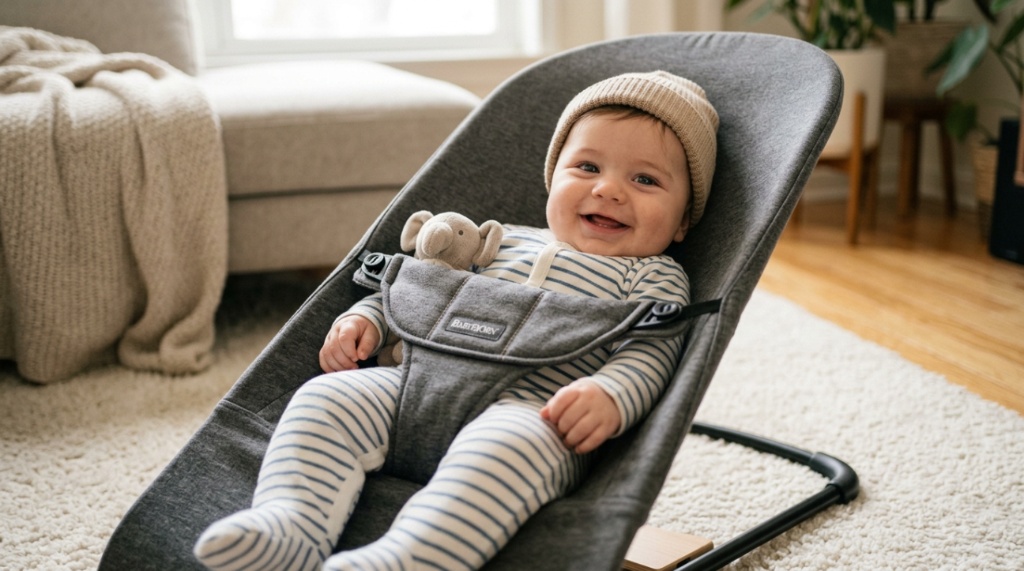
Living in Florida brings unique challenges when choosing baby gear. The constant heat, high humidity, and frequent power outages during storm season mean you cannot simply buy any bouncer off the shelf. Parents need something that keeps their baby comfortable without causing overheating, and they need something that works when the AC kicks off. This baby bouncer buying guide Florida cuts through the noise to help you choose a seat that is safe, practical, and suited to the Sunshine State’s specific climate and lifestyle. We will cover fabric choices, safety standards, and the realities of using a bouncer in a warm climate.
Key Takeaways
- Prioritize breathable mesh fabrics over plush materials to prevent heat rash and overheating in Florida’s humid climate.
- Opt for battery-operated vibration and music features over plug-in models, ensuring the bouncer works during power outages.
- Verify that the bouncer meets current ASTM safety standards and has a sturdy, wide base to prevent tipping on tile or hardwood floors.
- Choose a portable and lightweight model if you plan to move the bouncer between air-conditioned rooms or take it to the patio.
Why Florida’s Climate Changes Your Buying Criteria
Most generic buying guides focus on womb-like comfort and soothing features. That advice is dangerous in Florida. A bouncer designed for a chilly Minnesota winter will likely cause your baby to sweat excessively in a Miami summer. The primary goal here is thermoregulation. You need a seat that allows air to circulate freely around your baby’s body, especially on the back and neck where heat gets trapped.
Look for seats constructed with a full mesh panel design. Not just mesh on the sides, but a mesh seat back that supports the spine while allowing sweat to evaporate. Solid foam padding that wraps around the baby is a heat trap. In Florida, a bare mesh seat with a removable cotton cover is usually the best option because it offers cooling during the summer and allows you to add a thin blanket in the winter.
Consideration for High Humidity and Heat Rash
Heat rash, or miliaria, develops quickly when sweat ducts become blocked. In a bouncer, this commonly occurs on the back and behind the knees. To avoid this, avoid fabrics like polyester fleece or “velboa” plush. Instead, choose organic cotton or bamboo viscose covers. These materials wick moisture away and dry quickly. Also, ensure the bouncer has a removable cover that is machine washable, because Florida sweat and humidity can lead to mildew growth if the seat is not cleaned regularly.
Safety Standards and the Floor Surface Factor
Safety is always the priority, but Florida homes often feature tile, marble, or hardwood flooring to help keep houses cool. These slippery surfaces change how a bouncer performs. A lightweight bouncer that works fine on carpet may slide or tip on polished tile.
Look for a bouncer with a wide, stable base and rubberized non-slip feet. If you have a high-gloss porcelain tile, test the grip before letting your baby use it. Furthermore, always ensure the bouncer has a three-point or five-point harness. Even though bouncers are typically used with newborns who cannot roll yet, babies grow fast. A five-point harness prevents a four-month-old from climbing out or sliding down.
You should also verify that the model complies with the latest ASTM F2167-22 safety standard. This standard covers stability, static load, and restraint requirements. If the product is currently being sold online, it likely meets these standards, but always check the manufacturer’s listing for explicit mention of this certification.
Indoor vs. Covered Patio Use
Many Florida parents utilize covered lanais for morning coffee while the baby sits nearby. If you plan to use the bouncer outdoors, even in the shade, you must consider UV degradation. Prolonged sun exposure will fade the fabric and make plastics brittle. If you use it outside, look for UV-resistant fabric coatings. However, it is safer to keep the bouncer indoors and use a separate shaded bassinet for outdoor time. Bouncers are not designed for outdoor surface temperatures; metal frames can get hot enough to burn your baby’s legs if left in the sun.
Power Outages and Battery Life: A Realistic Look
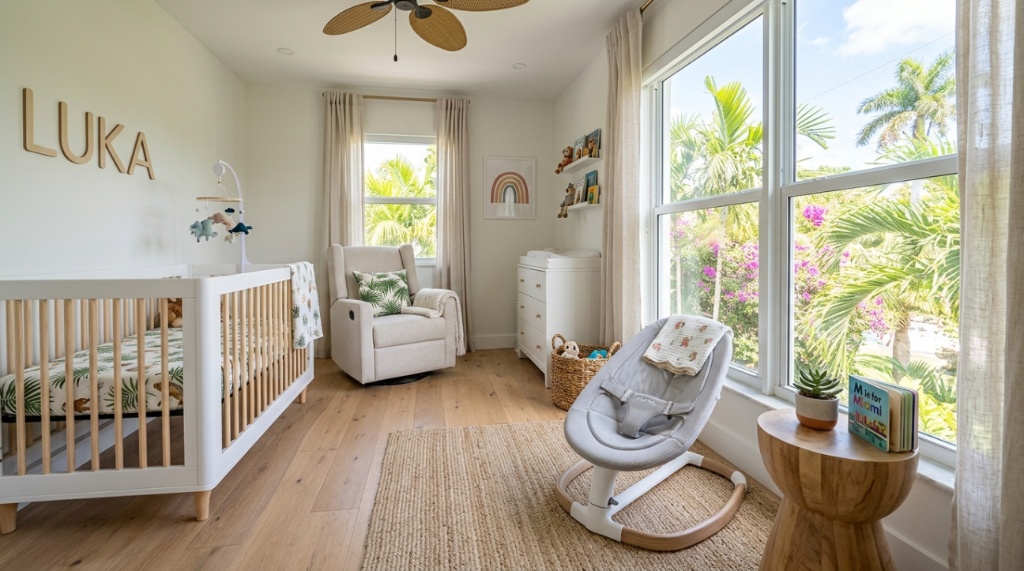
Florida is notorious for hurricane season and sudden summer thunderstorms that knock out power for hours. If you choose a bouncer with an electric plug-in motor, it becomes a useless piece of plastic during an outage—exactly when your baby needs soothing the most because they are disrupted by the storm noises.
Choose a bouncer that runs on standard AA or C batteries. The vibration and music functions are low-drain, meaning a set of good alkaline batteries should last several weeks with daily use. For a more reliable solution, consider a manual bouncer that uses the baby’s own leg movement to bounce naturally. These require zero power and are often more effective at soothing infants than electric vibration. Look at reviews for the noise level of the motor; some cheap motors emit a high-pitched whine that is irritating to babies and adults alike.
Weight Limits and Longevity Concerns
Most bouncers have a weight limit of around 20 pounds, effectively lasting until your baby is about six months old. However, the “perfect” bouncer should maximize that usage window. Consider a model with a higher weight capacity of 25 pounds. Additionally, check the seat depth and head support. Some bouncers are too shallow, causing older babies to feel unseated, while others are too deep, swallowing newborns.
Also, pay attention to the recline positions. A multi-position recline is essential for your baby’s hip development. The seat should allow for a flat-ish lie for newborns to protect the spine, and a more upright position for older babies who want to see the room. This adjustability ensures the chair grows with your child.
If you are still unsure about which specific models align with these criteria, you can cross-reference your shortlist with the baby bouncer buying guide Florida for recommendations on tested models that suit local needs.
The Portability Factor: Multi-Room Living
In Florida, you will likely move the bouncer frequently. You might start in the bedroom, move to the kitchen while cooking, and then to the living room. A bouncer that weighs 15 pounds is cumbersome. Look for a frame that is rigid but lightweight, ideally under 8 pounds.
Test the handle. Does it have a carrying handle built into the frame? Can you fold it flat quickly? A folding frame is a significant advantage because it allows you to store the bouncer in a closet when not in use, keeping your living space uncluttered. Some models even fold flat enough to fit under a sofa, which is a huge benefit for smaller Florida condos or apartments.
Cleaning and Maintenance in a Humid Environment
Mold and mildew are significant concerns in Florida. You must be able to remove the fabric cover easily and wash it without tools (no screwdrivers needed). Check if the cover is machine washable and safe to tumble dry low. If the bouncer has a foam insert under the fabric, ensure it is removable so it can air out after a wash. Do not put a damp fabric cover back on the frame; you will trap moisture and create a mildew problem.
Wipe down the metal or plastic frame weekly with a baby-safe disinfectant wipe to remove dust and allergens which breed faster in humid conditions, To keep your little one comfortable in warm weather, check out our guide on how to moisturize baby skin in California heat.
Frequently Asked Questions
Can I use a baby bouncer for overnight sleep in Florida?
No. Bouncers are not safe for unsupervised sleep, regardless of the climate. They are designed for supervised awake time. If your baby falls asleep in the bouncer, move them to a flat, firm crib mattress on their back. The incline and restraints can restrict airways during sleep.
Are bouncers too hot for babies in the summer?
They can be if made with the wrong materials. Choose a bouncer with a mesh seat and avoid padded fleece covers. Keep the bouncer in an air-conditioned room or under a ceiling fan. If your baby feels warm to the touch or is sweating, remove them and hold them for a while to regulate their temperature.
Is it better to get a swing or a bouncer in a warm climate?
Bouncers are generally better for Florida because they are more compact and have less fabric that can trap heat. Swings have bulky seats and often use plush padding. However, swings are more effective for higher-energy soothing. If you want a swing, look for a “portable” swing with mesh material.
How do I sanitize the bouncer after a power outage?
During extended outages, humidity can cause mildew on the fabric. Strip the cover and wash it with hot water and vinegar. Wipe the frame with a diluted bleach solution (1 tablespoon per gallon of water) to kill mold spores. Dry all components completely in the sun before reassembling.
Conclusion
Selecting the perfect bouncer in Florida requires a shift in focus from “fluffy and soft” to “cool and breathable.” The ideal choice prioritizes mesh fabrics, battery-operated convenience, lightweight portability, and easy-to-clean materials. These features address the local climate’s demands while ensuring your baby is safe and comfortable. Remember to verify the stability on tile floors and always adhere to weight limits. With these criteria in mind, you can confidently select a bouncer that provides a cool, safe spot for your baby, allowing you both to relax and enjoy the Florida lifestyle.


